

For decades, the Victoria’s Secret runway functioned as more than a fashion show—it was a cultural event. From its early days to its most extravagant years, the show shaped ideals of glamour, fantasy, and aspiration. The 25 looks that defined its era tell a story not just of fashion, but of changing cultural values.
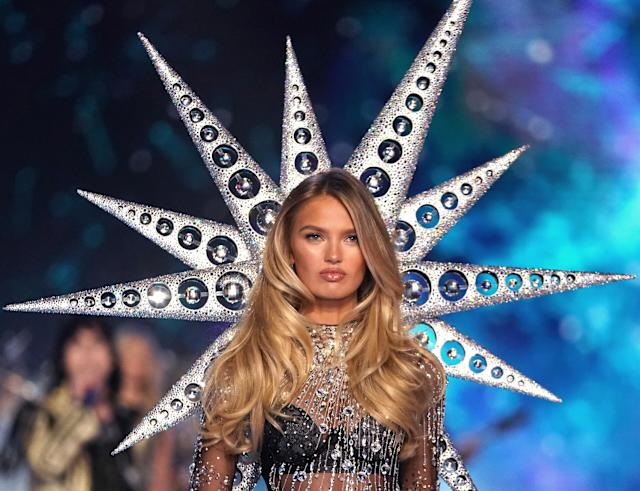
The mid-1990s debut established a blueprint: lingerie as performance, models as icons, and spectacle as strategy. Feathered wings, jeweled bodices, and dramatic silhouettes transformed undergarments into theatrical costumes. These early looks set the tone for a brand that blurred the line between fashion and fantasy.
As the 2000s approached, the runway grew bolder. Iconic bras adorned with crystals, metallic finishes, and exaggerated proportions reflected a time of maximalism and pop-culture dominance. These designs were less about wearability and more about storytelling—each look designed to be remembered.
The models themselves became inseparable from the clothes. Their confidence, walk, and persona turned garments into moments. The runway reinforced a singular vision of beauty that, at the time, felt aspirational but later became controversial.
By the 2010s, cracks began to show. Audiences questioned the narrow standards being promoted, and the fantasy started to feel disconnected from reality. Attempts to modernize came through sleeker designs and more inclusive messaging, but the shift was gradual.
The recent return of the brand signals reflection rather than reinvention. The most enduring looks are now viewed through a historical lens—symbols of a specific era in fashion and media. They remain visually powerful, but also instructive.
Together, these 25 runway looks define more than an aesthetic. They chart the rise, dominance, and reassessment of a fashion phenomenon that once ruled the global imagination.
