










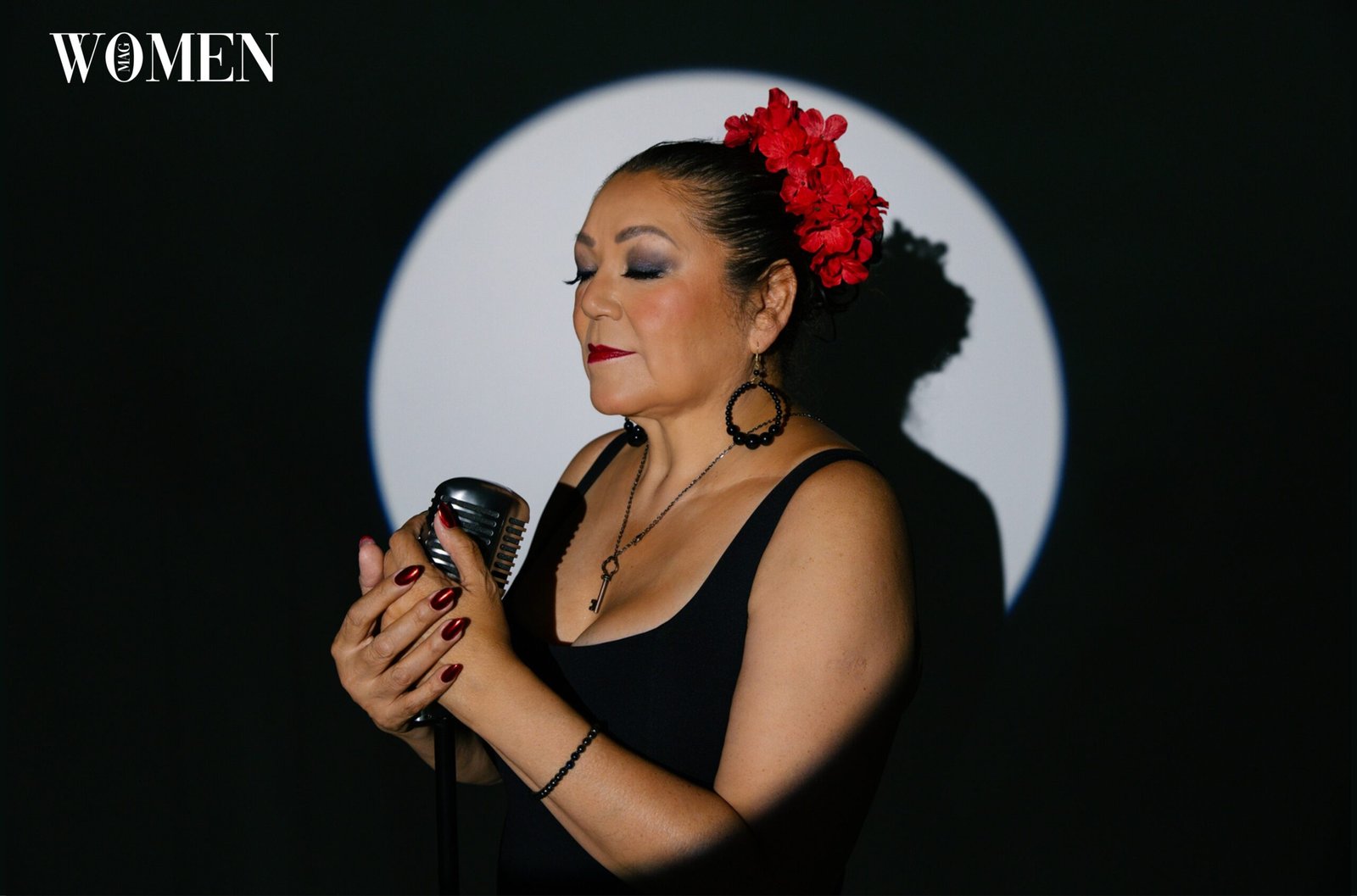
The Cree artist from northern Manitoba to international stages has built a life shaped by resilience, creative ambition, and a belief that music can heal lives.
The world has seen some of the greatest success stories. However, a few rare gems have stood out among the rest and ensured they ignite more hope, motivation, and positivity through their work among up-and-coming talents. Especially in the world of music, driven by saturation and competition, a few talents have made a positive difference through purposeful work and have made a name for themselves, much like Rhonda Head.
Rhonda Head cannot be boxed into just one definition. She is more than what meets the eye, emerging as a versatile talent, a classical singer, songwriter, producer, choir director, host, and author, who has been able to build a life that is shaped by resilience, creative ambition, and a strong belief that music holds the power even to heal lives. She hails from the Cree Nation in northern Manitoba and describes herself as a two-time brain tumour survivor and a residential school intergenerational survivor. Those experiences have deeply shaped how she approaches life and her creative work.
She doesn’t take life for granted; when she sets a goal, she tries to see it through. That determination has taken her from personal battles to a career spanning music, writing, education, and mentorship. She recently completed a Bachelor of Creative Arts degree and continues to work closely with young musicians as the choir director of the Manitoba Indigenous Youth Choir. For Head, the journey isn’t only about what she has achieved herself. It is also about what she can help the next generation discover.

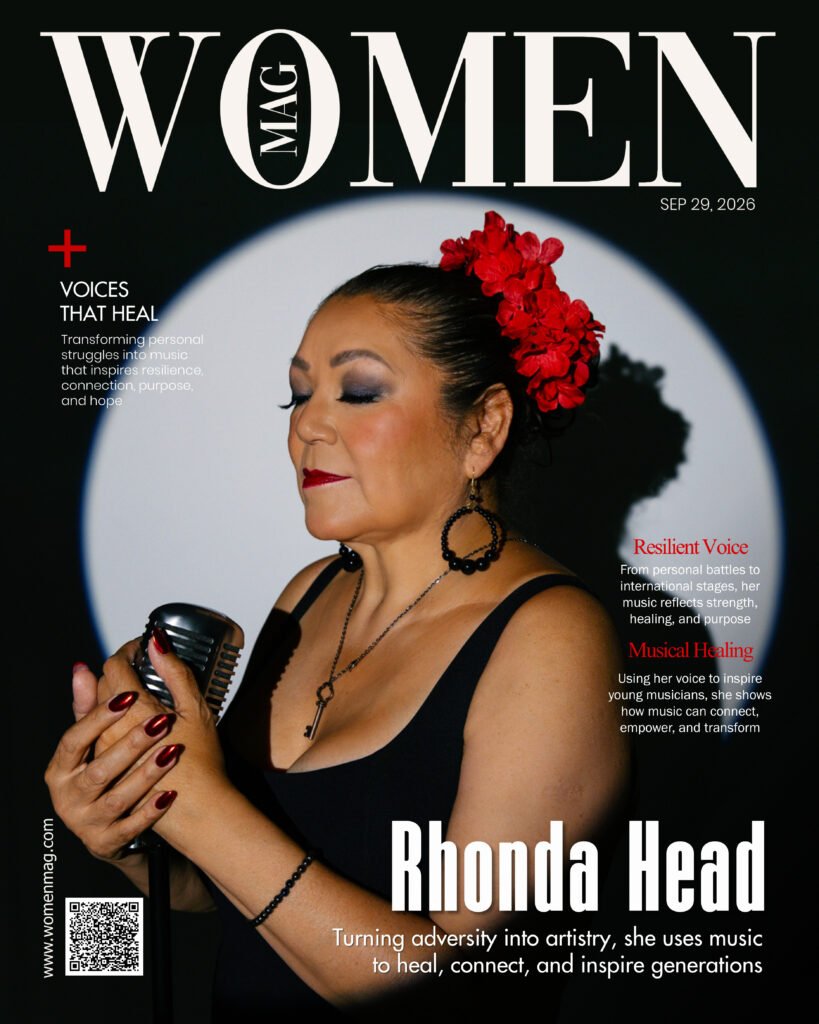
Rhonda Head’s relationship with music cannot be separated from the difficult experiences that have shaped her life. Her first brain tumour diagnosis led to an 11.5-hour surgery, after which she became completely deaf in her right ear. Five years later, the tumour returned, growing larger. She underwent a gamma knife procedure, which she credits with saving her life. Both experiences changed her profoundly. Recovering from major medical procedures could have become a period defined entirely by what had been lost. Instead, Head channelled her energy into creative work, and music and writing became ways for her to move forward.
She has since recorded six albums and written an autobiography, Mezzo Soprano Memoirs of a Rez Girl. Her work has received 60 international music awards and three international book awards. She has also contributed to The Fury, an album by Antonio Vergara that received a Grammy nomination.
Each project of hers represents a decision to keep creating after experiences that could have changed the direction of her life entirely. For her, music is medicine. As choir director of the Manitoba Indigenous Youth Choir, she combines music with mentorship, helping young singers develop not only as performers but also as individuals finding their own voices. The group performed at the Alta Pustoria Choir Festival in Italy and is scheduled to perform at Carnegie Hall on December 1. For Head, these opportunities matter not simply because of the prestige attached to the venues, but because they show what can happen when young people are given the chance to develop their talent, work together, and experience the world through music.
Her experience in music has also given her a clear view of the challenges women continue to face within the industry. She describes the music business as male-dominated, pointing to the continued visibility of male acts in live performances and radio play. Her concern isn’t competition between men and women. It is about opportunity and recognition. Women create music with the same ability to move, connect and resonate with audiences, yet access to platforms and opportunities can still be uneven.
Rhonda Head chose music, writing, education and mentorship and continues to choose creative work with the understanding that there’s value in using one’s voice while also helping others find theirs. For her, music means much more than a career. It’s a way to remember, express, connect, and move forward.


