





The traditional office dress code—once defined by rigid blazers and pencil skirts—has undergone a dramatic transformation. In 2026, workwear emphasizes comfort, confidence, and personal style over strict professional conformity. This shift reflects a broader change in workplace culture where employees dress to feel good and express individuality while maintaining professionalism.
Soft Tailoring and Neutral Palettes Dominate
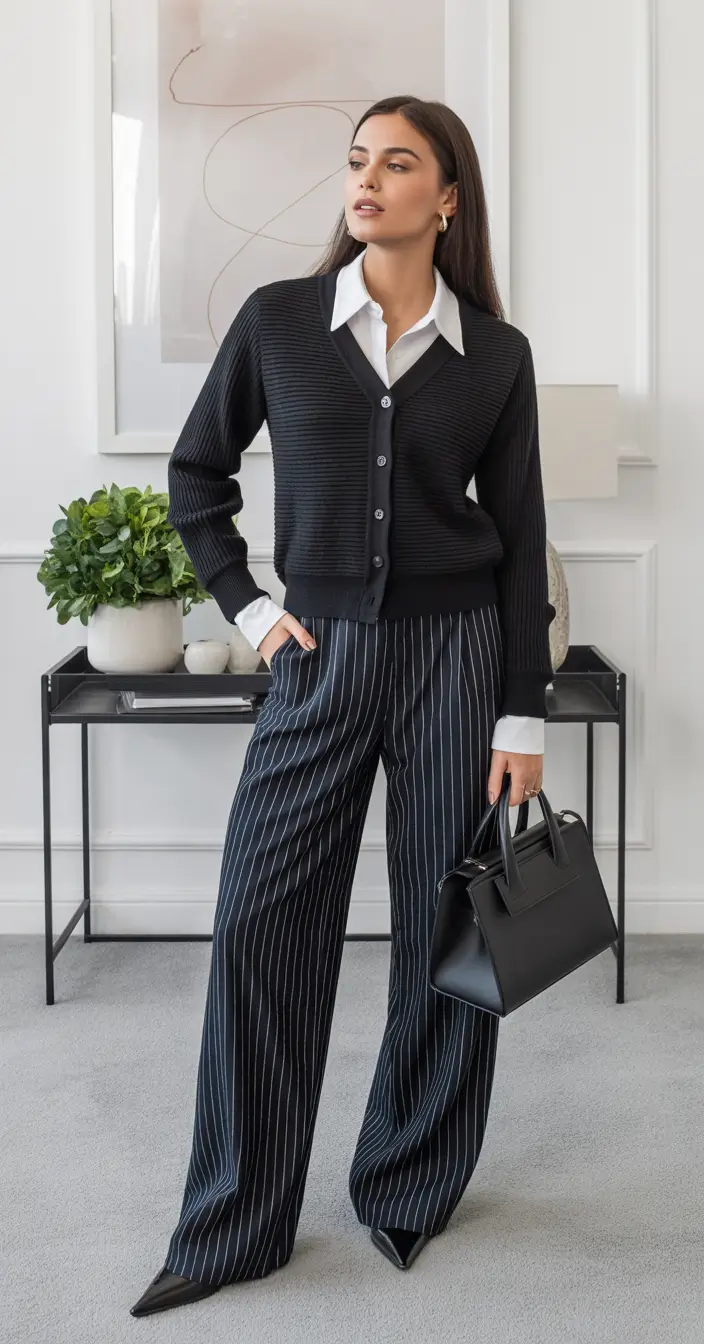
Contemporary office fashion embraces relaxed tailoring with textured fabrics and muted earth tones. Olive green monochrome sets, navy and white combinations, and warm neutrals create sophisticated yet comfortable looks. Wide-leg pants, oversized turtlenecks, and soft cardigans replace restrictive silhouettes, allowing professionals to move freely while appearing polished. Fashion experts note that texture now matters as much as color, with thoughtful fabric choices elevating simple outfits.
Color Innovation Brings Quiet Confidence
Bold color choices are making a comeback, but with sophistication. Deep burgundy, mint green, and strategic lime accents provide personality without overwhelming professional settings. The trend toward “silent luxury”—understated elegance that speaks through quality and intentionality—reflects how modern professionals approach workwear. Rather than loud statements, 2026 office fashion celebrates subtle power dressing that combines structure with effortless grace.
From striped cardigans to monochrome sets and vintage plaid blazers, the options demonstrate that professional clothing need not be rigid or boring. Professionals can experiment with layers, patterns, and accessories while maintaining workplace appropriateness. This evolution represents a fundamental shift: the future of workwear prioritizes how clothing feels rather than strict adherence to outdated codes, allowing women to lead comfortably and confidently in their own style.


