


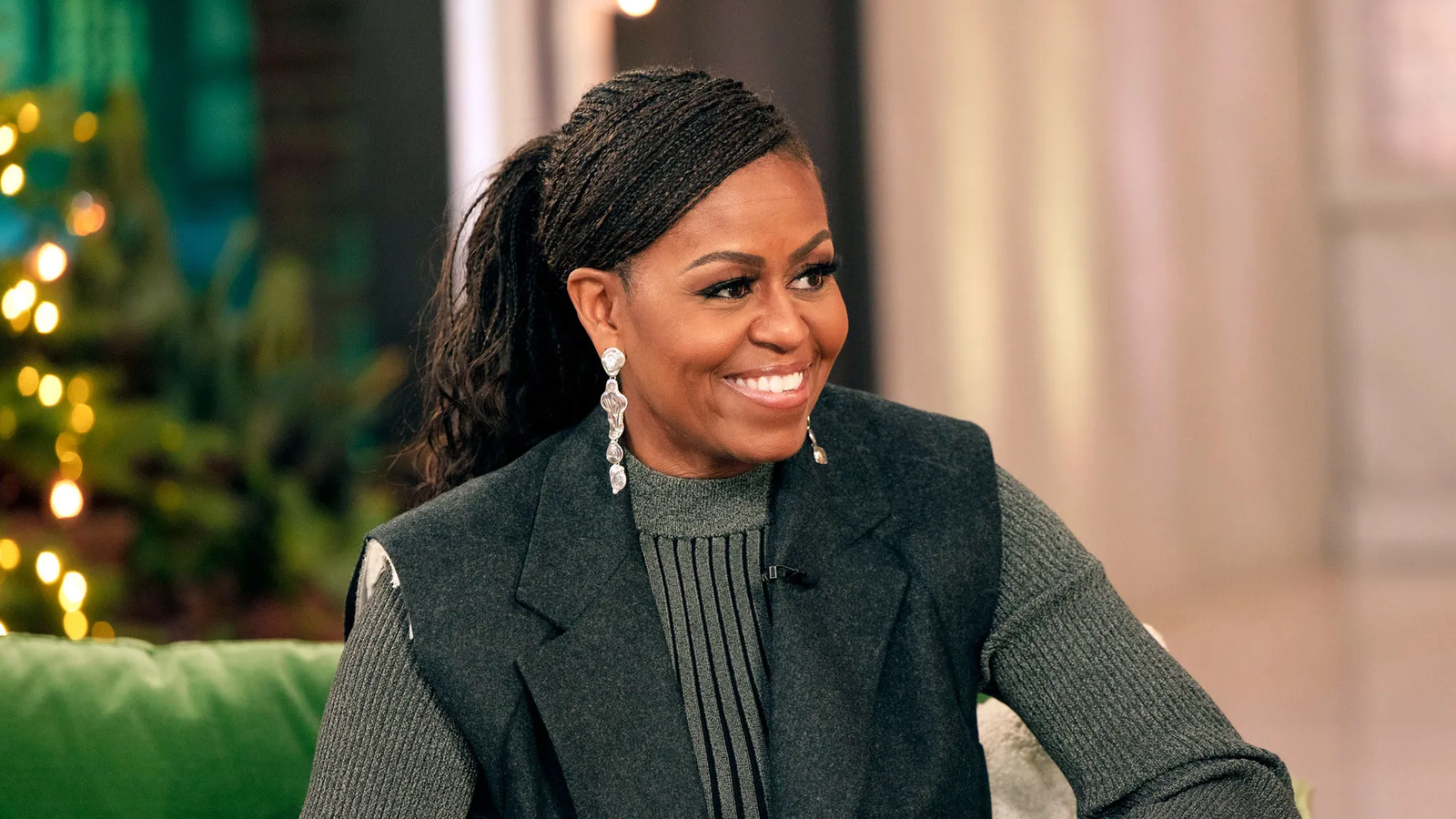
Michelle Obama stands as one of the most influential public figures of the 21st century—an attorney, author, cultural icon, and global advocate whose impact extends far beyond her years in the White House. Through a combination of intellect, authenticity, and disciplined leadership, she has reshaped public expectations of what civic engagement and modern leadership can look like, particularly for women and people of color.
Born Michelle LaVaughn Robinson on January 17, 1964, in Chicago’s South Side, Obama’s early life was shaped by modest means, close family ties, and a deep respect for education. Raised in a working-class household, she learned early the values of discipline, resilience, and self-belief. Her father, who lived with multiple sclerosis, modeled perseverance through adversity, while her mother emphasized independence and accountability—principles that would later become central to Michelle Obama’s public philosophy.
Academically gifted, Obama attended Princeton University, where she studied sociology and African American studies. Her senior thesis examined the experiences of Black students at Princeton, signaling an early commitment to understanding structural inequality and social dynamics. She went on to earn her law degree from Harvard Law School, later joining the prestigious Chicago law firm Sidley Austin. It was there that she met Barack Obama, whom she initially mentored and would later marry. Even early in her career, she demonstrated a preference for purpose-driven work over prestige alone.
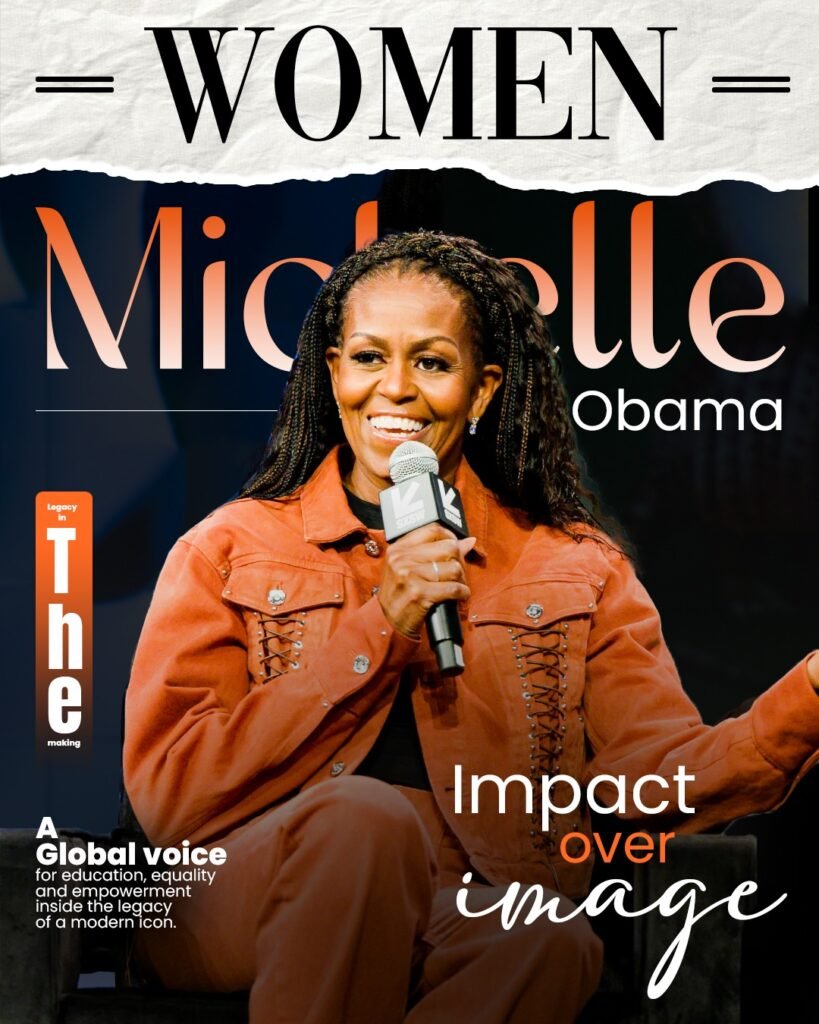
Obama eventually pivoted away from corporate law toward public service, holding leadership roles at City Hall in Chicago and later at the University of Chicago. These positions reflected her growing interest in community development, education access, and public engagement. This professional evolution laid the groundwork for her future role as First Lady, one she would approach not as a ceremonial figurehead, but as an active policy advocate and cultural leader.
When Barack Obama was elected President of the United States in 2008, Michelle Obama entered the White House under intense public scrutiny. As the first Black First Lady, she faced both historic expectations and disproportionate criticism. Rather than retreating, she leaned into visibility and clarity of purpose. She used her platform to champion initiatives focused on children, families, and long-term social outcomes—areas often marginalized in political discourse.
Her signature initiative, Let’s Move!, addressed childhood obesity through nutrition education, physical activity, and improved access to healthy food. The program worked collaboratively with schools, local governments, and private-sector partners, emphasizing systemic solutions rather than individual blame. While the initiative was sometimes politicized, its measurable impact on school lunch standards and public awareness was significant. Obama’s approach reflected her broader leadership style: pragmatic, data-informed, and focused on sustainability.
Education was another cornerstone of her agenda. Through the Reach Higher and Better Make Room initiatives, Obama encouraged young people to pursue education beyond high school, framing higher education and vocational training as attainable and essential. Her messaging—direct, relatable, and grounded in her own experiences—resonated particularly with first-generation students and underserved communities. Rather than abstract rhetoric, she emphasized preparation, persistence, and personal responsibility alongside institutional reform.
Beyond policy, Michelle Obama reshaped the cultural role of the First Lady. She embraced fashion as a form of soft power, spotlighting emerging designers and signaling inclusivity through representation. She also used popular media strategically, appearing on talk shows, engaging in social media, and participating in cultural moments that expanded her reach beyond traditional political audiences. This blend of accessibility and authority helped her connect with younger generations in ways few political figures had managed before.
After leaving the White House in 2017, Obama’s influence only expanded. Her memoir, Becoming, became a global bestseller, offering a candid reflection on identity, ambition, marriage, and public life. The book’s success underscored her ability to articulate complex emotional and social realities with clarity and honesty. Through speaking tours, media production ventures, and continued advocacy, she maintained a prominent role in shaping conversations around leadership, democracy, and personal growth.
Central to Michelle Obama’s legacy is her emphasis on agency—particularly for women and girls. She consistently frames empowerment not as abstract inspiration, but as disciplined action rooted in education, self-awareness, and community engagement. Her work with adolescent girls globally, especially in promoting access to education, reflects a long-term vision of social change grounded in opportunity rather than charity.
Michelle Obama’s enduring relevance lies in her credibility. She is widely viewed as principled without being rigid, aspirational without being detached. In a polarized era, she occupies a rare space of broad respect, built on consistency between values and action. Whether as First Lady, author, or global advocate, Michelle Obama has demonstrated that leadership is not defined solely by position, but by the sustained ability to influence, uplift, and challenge society to be better.
