

Close Menu
Women’s Mag | Fashion, Beauty, Wellness & Women’s StoriesWomen’s Mag | Fashion, Beauty, Wellness & Women’s Stories
  • Home
  • Beauty
  • Fashion
  • Worklife
  • Lifestyle
  • Exclusive
  • Contact Us

Subscribe to Updates

Get the latest creative news from FooBar about art, design and business.

What's Hot

Who Is Bozoma Saint John? Inside the Career of the Marketing Executive Who Changed Global Brands

July 20, 2026

Top Female Founders Under 35 Who Are Changing the Future of Business

July 18, 2026

Dua Lipa & Callum Turner Relationship Timeline: From Dating Rumors to Engagement

July 18, 2026
Facebook X (Twitter) Instagram
Women’s Mag | Fashion, Beauty, Wellness & Women’s StoriesWomen’s Mag | Fashion, Beauty, Wellness & Women’s Stories
  • Home
  • Beauty
  • Fashion
  • Worklife
  • Lifestyle
  • Exclusive
  • Contact Us
Women’s Mag | Fashion, Beauty, Wellness & Women’s StoriesWomen’s Mag | Fashion, Beauty, Wellness & Women’s Stories
Home » Carrie Mae Weems: On Memory, Division, and the Work of Remembering
Fashion

Carrie Mae Weems: On Memory, Division, and the Work of Remembering

WomenmagBy WomenmagFebruary 6, 2026No Comments3 Mins Read
Facebook Twitter LinkedIn Telegram Pinterest Tumblr Reddit Email
Share
Facebook Twitter LinkedIn Pinterest Email

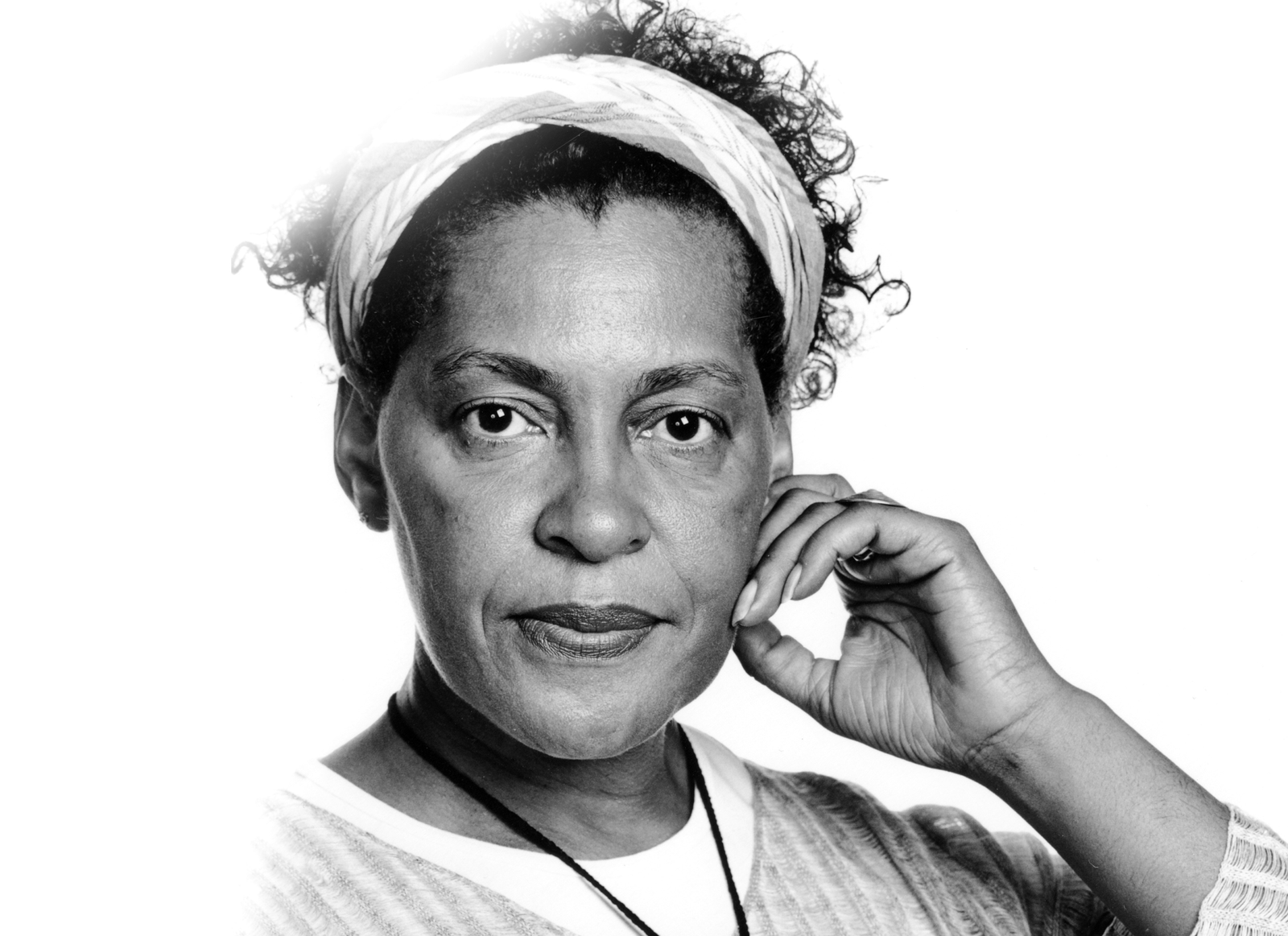
Carrie Mae Weems is one of the most vital and intellectually rigorous artists of our time. Across photography, video, text, and installation, her work interrogates how memory is constructed, erased, and contested—particularly within histories shaped by race, power, and exclusion. For Weems, remembering is not passive reflection; it is active labor. It is political. And it is necessary.

At the core of Weems’s practice is a deep engagement with collective and personal memory. She challenges the idea that history is neutral or complete, exposing how dominant narratives are built through omission as much as inclusion. In doing so, her work asks a central question: who gets remembered, and who is deliberately forgotten? This inquiry becomes especially urgent in societies fractured by racial and social division, where memory itself becomes a site of struggle.

Weems’s work often situates the Black body—particularly the Black female body—within spaces historically denied to it: museums, monuments, domestic interiors, and civic architecture. By placing herself or her subjects within these contexts, she reclaims visual authority and disrupts inherited hierarchies. Memory, in Weems’s hands, is not nostalgia; it is confrontation. Her images insist that the past is not behind us—it is embedded in the present.

Division, both historical and contemporary, is another persistent theme. Weems examines how systems of segregation, surveillance, and structural inequality fracture communities and distort shared memory. Her work reveals how division is maintained not only through laws and policies, but through images, symbols, and cultural storytelling. By reworking archival material and staging deliberate visual interventions, she exposes the mechanics of exclusion that continue to shape public consciousness.

Crucially, Weems does not offer easy reconciliation. The work of remembering, as she presents it, is uncomfortable and unresolved. It requires sitting with contradiction, grief, and accountability. Her practice resists the impulse to sanitize history for the sake of unity. Instead, she argues—implicitly and explicitly—that true reckoning demands clarity before healing.

Text plays a significant role in Weems’s visual language. Her use of direct, declarative statements alongside images guides the viewer without diminishing ambiguity. These texts function as both witness and warning, reminding audiences that interpretation itself is shaped by power. Memory is not just what we recall; it is how we are taught to see.

Importantly, Weems positions remembering as a collective responsibility. Her work calls on institutions, viewers, and nations to examine their role in sustaining selective memory. Forgetting, she suggests, is not accidental—it is curated. To remember fully is to resist erasure and challenge comfort.

Carrie Mae Weems’s work endures because it refuses closure. It demands engagement, return, and reflection. In an era marked by polarization and historical amnesia, her practice offers something essential: a visual framework for doing the hard work of remembering—honestly, critically, and together.

Share. Facebook Twitter Pinterest LinkedIn Tumblr Email
Womenmag
  • Website

Related Posts

Vera Wang: The Fashion Visionary Who Transformed Wedding Dresses into Modern Icons

June 30, 2026

Fashion for Every Body Type: Find the Best Clothes for Your Shape

June 11, 2026

How to Dress Stylish Every Day: Fashion Tips for Women

June 9, 2026

Latest Fashion Trends for Women: A Complete Style Guide

June 3, 2026

Fashion Styling Tips for Women: Look Stylish Every Day

June 2, 2026

Ultimate Guide to Casual Fashion for Modern Women

May 22, 2026
Leave A Reply Cancel Reply

Don't Miss
Lifestyle

Who Is Bozoma Saint John? Inside the Career of the Marketing Executive Who Changed Global Brands

By WomenmagJuly 20, 2026

Bozoma Saint John is one of the most influential marketing leaders in the world. Known…

Top Female Founders Under 35 Who Are Changing the Future of Business

July 18, 2026

Dua Lipa & Callum Turner Relationship Timeline: From Dating Rumors to Engagement

July 18, 2026

Meet Ruby Hughes, on her way to Redefine Beauty Beyond Appearance

July 18, 2026
Stay In Touch
  • Facebook
  • Twitter
  • Pinterest
  • Instagram
  • YouTube
  • Vimeo
Our Picks

Who Is Bozoma Saint John? Inside the Career of the Marketing Executive Who Changed Global Brands

July 20, 2026

Top Female Founders Under 35 Who Are Changing the Future of Business

July 18, 2026

Dua Lipa & Callum Turner Relationship Timeline: From Dating Rumors to Engagement

July 18, 2026

Meet Ruby Hughes, on her way to Redefine Beauty Beyond Appearance

July 18, 2026

Subscribe to Updates

Get the latest creative news from SmartMag about art & design.

Demo

Recent Posts

  • Who Is Bozoma Saint John? Inside the Career of the Marketing Executive Who Changed Global Brands
  • Top Female Founders Under 35 Who Are Changing the Future of Business
  • Dua Lipa & Callum Turner Relationship Timeline: From Dating Rumors to Engagement
  • Meet Ruby Hughes, on her way to Redefine Beauty Beyond Appearance
  • Jessica Livingston: The American Investor Who Helped Build Y Combinator’s Success

Recent Comments

No comments to show.

Women Mag is an independent platform celebrating women’s lives, leadership, culture, wellness, careers, and storytelling worldwide.

We're accepting new partnerships right now.

Get in Touch - Info@womenmag.com

Facebook X (Twitter) Instagram
Our Picks

Who Is Bozoma Saint John? Inside the Career of the Marketing Executive Who Changed Global Brands

July 20, 2026

Top Female Founders Under 35 Who Are Changing the Future of Business

July 18, 2026

Dua Lipa & Callum Turner Relationship Timeline: From Dating Rumors to Engagement

July 18, 2026

Subscribe to Updates

Subscribe to Our Updates
Get the latest stories and creative insights from America chronicle on news, culture, and the people shaping business and society.

  • Home
  • Beauty
  • Fashion
  • Worklife
  • Lifestyle
  • Exclusive
  • Contact Us
2026, All rights reserved by womenmag.com

Type above and press Enter to search. Press Esc to cancel.