










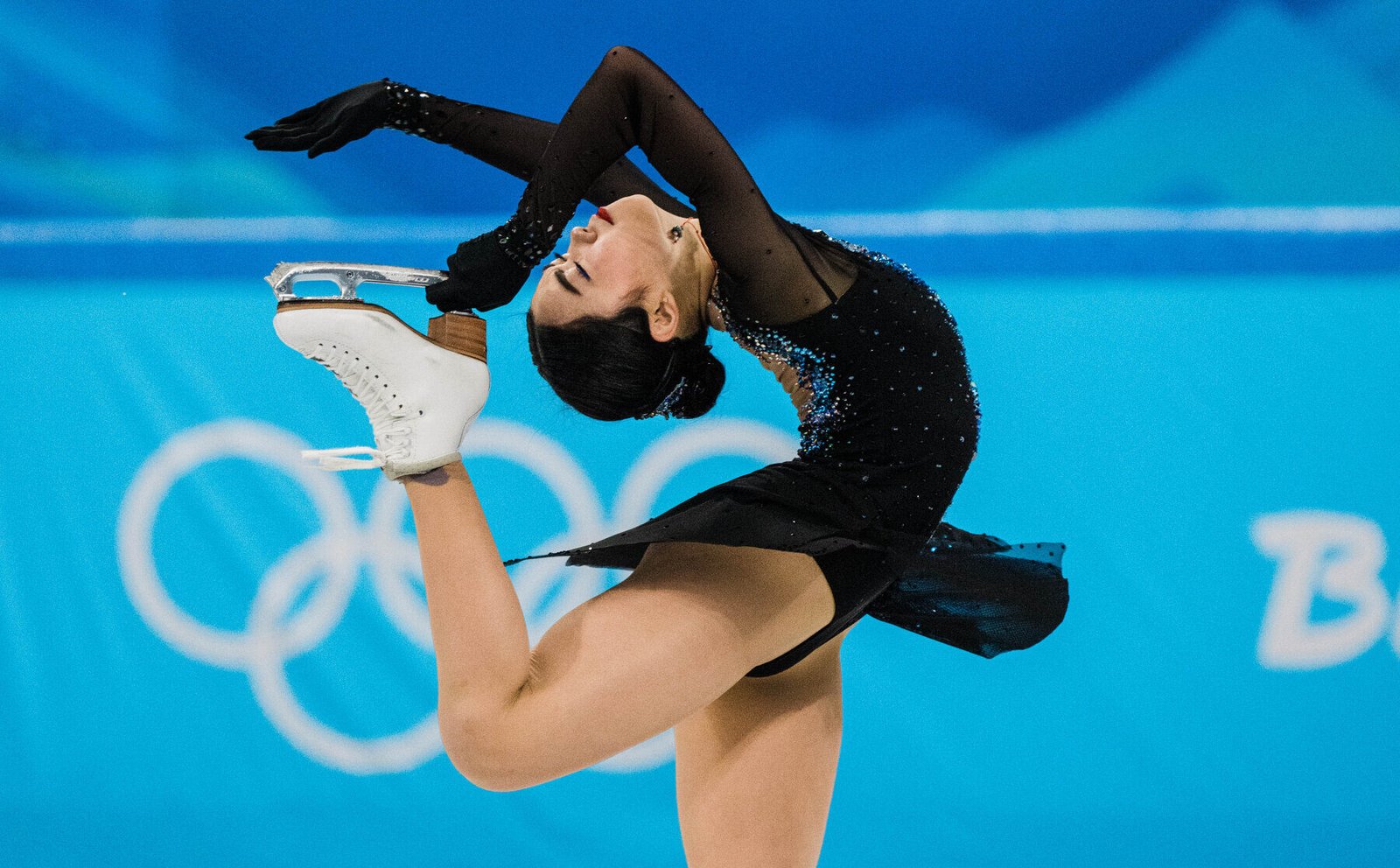
Figure skating is one of the most captivating sports in the world, blending athletic precision with artistic performance. Unlike many other competitive disciplines, it demands not only strength and endurance but also elegance, musical interpretation, and emotional expression. Athletes who step onto the ice must combine years of technical training with the ability to deliver a compelling performance in front of judges and global audiences.
At the heart of figure skating lies extraordinary physical discipline. Skaters train for countless hours to master jumps, spins, and intricate footwork sequences. These movements require remarkable balance, explosive power, and precise timing. A single jump, such as the triple or quadruple rotation, involves accelerating across the ice, launching into the air, rotating multiple times within a fraction of a second, and landing smoothly on a narrow blade. Achieving this level of control requires years of repetition and conditioning.
Yet technical skill alone does not define a successful figure skater. What distinguishes the sport is its artistic dimension. Skaters choreograph routines to music, translating rhythm and emotion into movement across the ice. Every gesture, posture, and glide contributes to the storytelling element of the performance. Judges evaluate not only technical execution but also performance quality, interpretation of the music, and overall presentation.

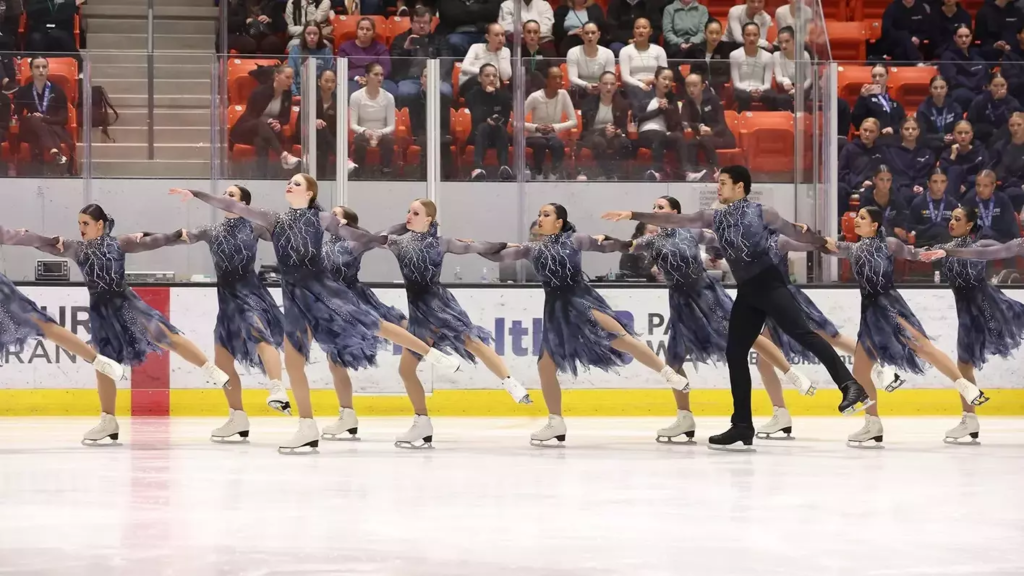
Costume design also plays an important role in figure skating performances. Sparkling fabrics, carefully chosen colors, and elegant silhouettes help convey the mood of a routine. A dramatic costume can enhance the storytelling aspect of a performance, reinforcing the connection between music, movement, and character. However, these costumes must remain functional—allowing athletes the flexibility and support needed for complex jumps and spins.
Behind the polished performances seen during competitions lies an intense training environment. Many skaters begin practicing at a very young age, often balancing school, travel, and daily training sessions. Their routines include on-ice practice, strength training, ballet or dance classes, and off-ice conditioning designed to improve agility and coordination.
Mental resilience is equally crucial. Competitive figure skating places athletes under immense pressure, especially during major international events where a single mistake can affect rankings and career trajectories. Successful skaters learn to maintain focus, control nerves, and recover quickly from errors during performances.
Despite the challenges, the sport continues to captivate audiences around the world. The combination of athletic difficulty and visual beauty makes figure skating uniquely engaging. Every routine is both a technical challenge and a personal expression, allowing athletes to communicate emotion through motion.
Ultimately, competitive figure skating represents a remarkable union of sport and art. The skaters who dedicate their lives to the ice demonstrate that true excellence is not just about physical capability—it is about discipline, creativity, and the ability to transform effort into grace.


