










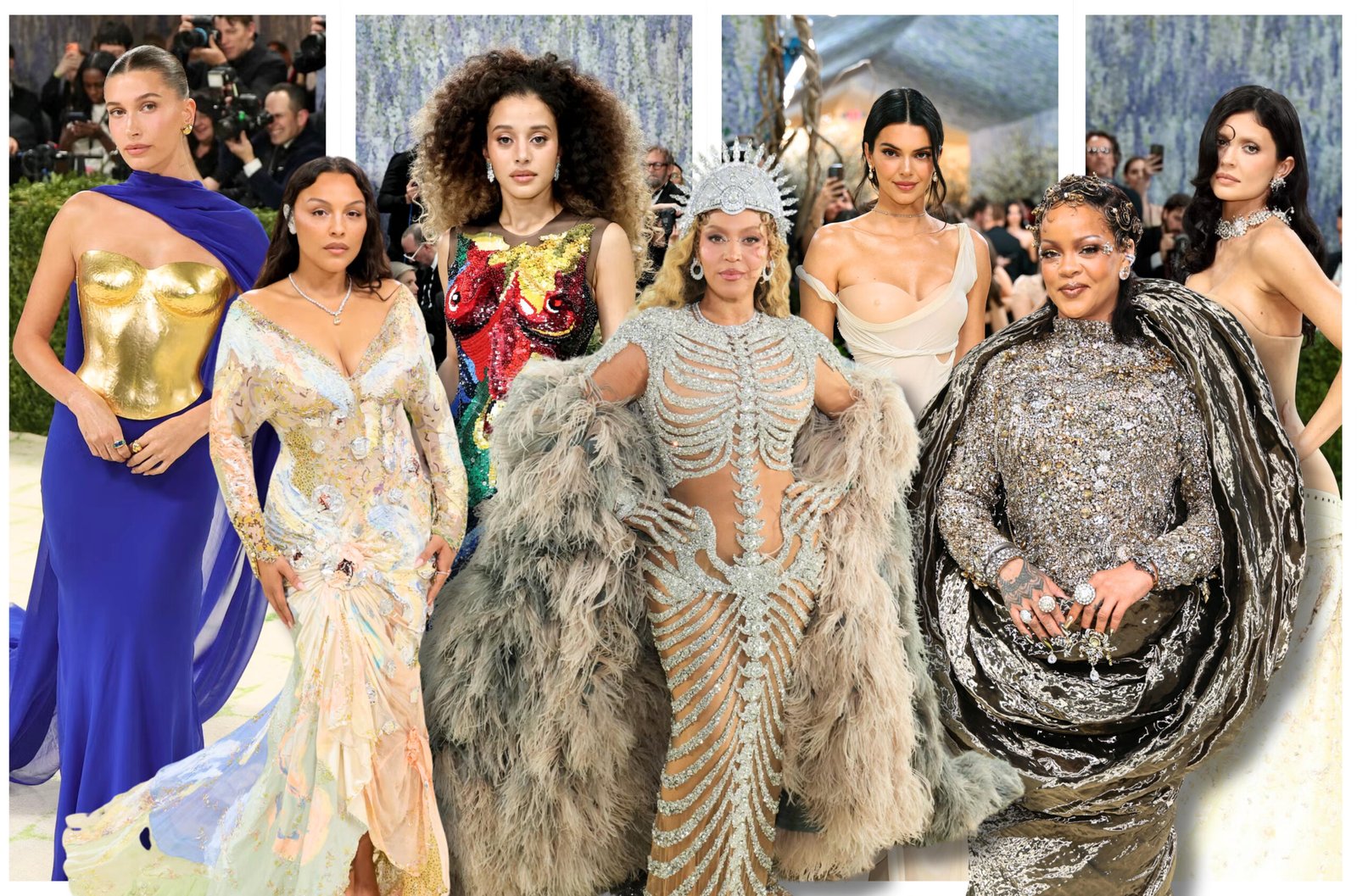
On a night where spectacle is expected and reinvention is currency, the Met Gala 2026 delivered a striking meditation on the evolving relationship between fashion and the human form. This year’s theme, “Costume Art,” reframed the red carpet as more than a parade of luxury—it became a curated exhibition of moving, breathing artworks.
At its core, the evening challenged a familiar assumption: that clothing merely adorns the body. Instead, designers and attendees explored a more radical idea—that the body itself is both canvas and collaborator.
The Body as Medium
One of the most compelling narratives of the night was the reinterpretation of the human silhouette. Sculptural corsetry, exaggerated proportions, and anatomical illusions dominated the carpet. Kylie Jenner exemplified this direction in a layered couture look that blurred the boundary between skin and structure—suggesting a body simultaneously revealed and reconstructed.
Elsewhere, sheer fabrics and engineered transparency pushed the idea further. These weren’t simply “naked dresses” in the conventional sense; they were technical feats, where tailoring and material science converged to simulate vulnerability while maintaining precision.
Art History Woven into Fabric
If some attendees focused on the physical form, others leaned into art as reference and language. Painterly motifs, sculptural embellishments, and historical nods transformed garments into narrative objects.
Rosé incorporated surrealist influences into a sleek silhouette, while Alexa Chung appeared in a design that echoed impressionist textures—bringing a sense of movement and softness reminiscent of classical painting into a contemporary frame.
This dialogue between fashion and fine art wasn’t subtle. It was deliberate, almost academic—inviting viewers to decode references rather than simply admire aesthetics.
Maximalism with Intent
The red carpet has always favored excess, but this year’s extravagance felt unusually purposeful. Feathers, sequins, and architectural silhouettes weren’t just decorative—they functioned as conceptual tools.
Cardi B embraced exaggerated proportions with theatrical confidence, while Nicole Kidman demonstrated restraint within opulence, proving that subtlety can still command attention when executed with precision.
Meanwhile, Rihanna once again reinforced her reputation as a red carpet strategist—choosing couture that felt less like a garment and more like a statement piece within a larger artistic thesis.
A Shift in Fashion’s Purpose
What distinguished this year’s event wasn’t just visual impact—it was conceptual coherence. The best looks weren’t necessarily the most elaborate; they were the most intentional.
Designers appeared less interested in trend-setting and more focused on storytelling. Clothing became a medium for exploring identity, perception, and transformation. Even moments of spectacle—like mid-carpet outfit reveals—felt integrated into this broader narrative rather than performed for shock value alone.
The Takeaway
The Met Gala has always been a barometer for where fashion is heading. In 2026, it signaled a clear shift: away from fashion as consumption and toward fashion as discourse.
This was not merely a celebration of style. It was an exploration of what it means to inhabit a body, to construct an image, and to communicate through design.
And if this year is any indication, the future of fashion won’t just be worn—it will be interpreted.


