
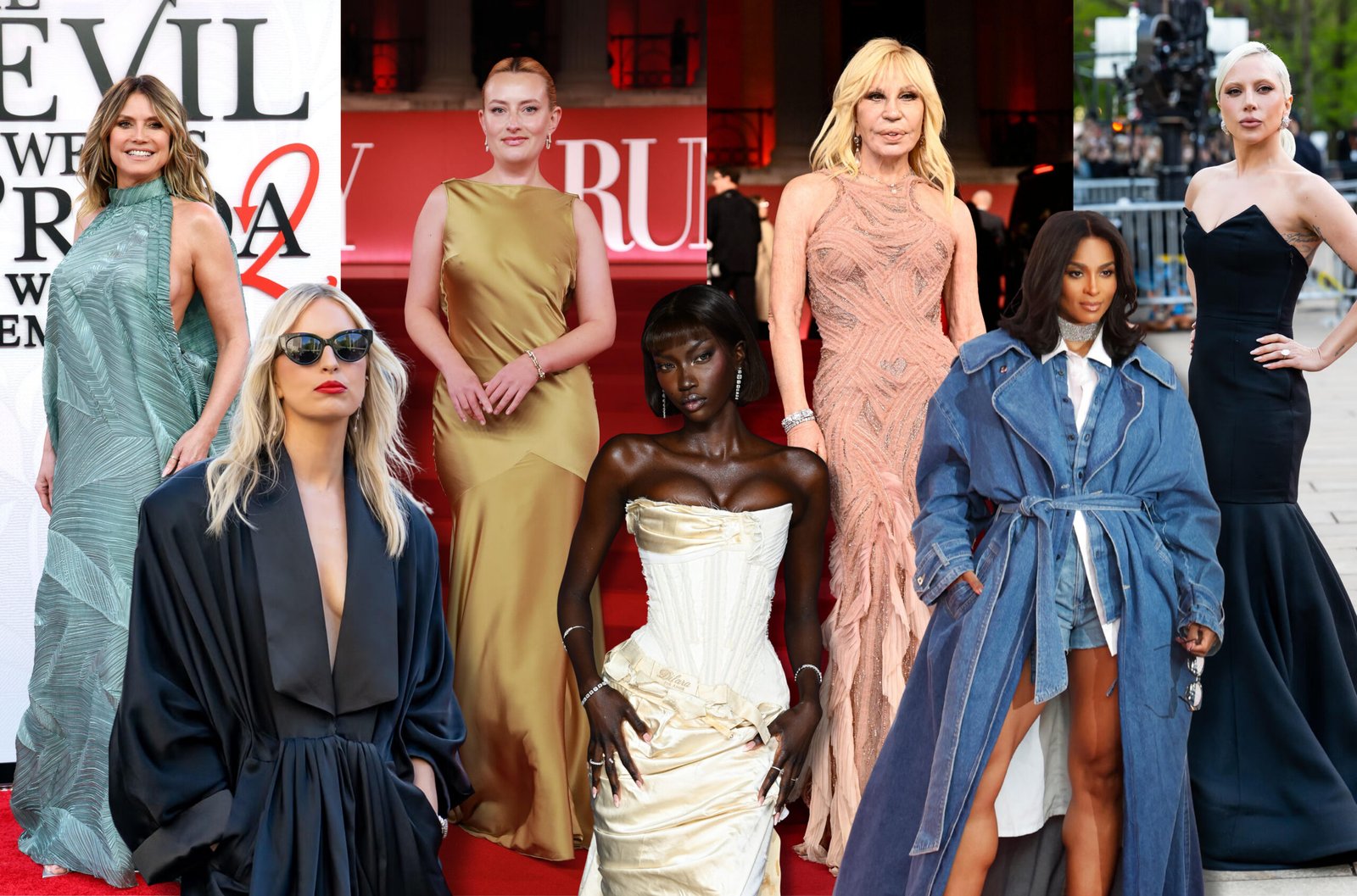
The world of The Devil Wears Prada 2 doesn’t just rely on its iconic returning cast—it thrives on a carefully curated lineup of cameos that reflect the real pulse of global culture. And at the center of that constellation are women who bring authority, influence, and authenticity to every frame they occupy.
While the sequel expands its universe across fashion capitals and elite social circles, these female figures ensure the film feels grounded in today’s cultural reality. Their appearances aren’t incidental—they function as signals of power, relevance, and industry evolution.
Lady Gaga: A Performance That Anchors the Spectacle
Lady Gaga’s cameo is easily one of the most talked-about moments in the film. Appearing as herself during a Milan Fashion Week sequence, she delivers a performance that merges high fashion with live music energy.
Her presence does more than entertain—it reinforces the film’s commitment to portraying fashion as performance art. Gaga, long known for her theatrical approach to style, becomes a natural extension of the Runway universe, where image and identity are constantly in dialogue.
Donatella Versace: Fashion Authority in Its Purest Form
When Donatella Versace appears on screen, the film instantly gains credibility. As one of the most recognizable figures in luxury fashion, her cameo situates the story firmly within the upper echelon of the industry.
Her scene, set in Milan, subtly underscores the power dynamics that define fashion’s inner circle. She isn’t just a guest appearance—she represents legacy, influence, and the enduring relevance of designer-led empires.
Ashley Graham: Redefining Runway Standards
Ashley Graham’s cameo arrives during one of the film’s most visually striking sequences. As she steps into a high-profile fashion moment, her presence signals how the industry has evolved since the original film.
Her inclusion reflects a shift toward inclusivity and body diversity—something the fashion world has been actively redefining over the past decade. In many ways, her appearance modernizes the narrative, aligning it with current conversations around representation.
Winnie Harlow: Visibility and Impact
Winnie Harlow’s role, set against the backdrop of a fashion week environment, brings both visual impact and cultural weight. Known for challenging traditional beauty norms, she represents a new generation of models who have reshaped the industry’s definition of visibility.
Her cameo reinforces the idea that fashion is no longer just about exclusivity—it’s about individuality and storytelling.
Heidi Klum: A Bridge Between Eras
Heidi Klum’s return is a subtle but meaningful nod to the original film. Having appeared in the first installment, her cameo in the sequel creates continuity between two different eras of fashion and media.
Her presence serves as a reminder of how much the industry has changed—while also honoring the legacy that made the original story so impactful.
Amelia Dimoldenberg: The Rise of Digital Culture
In contrast to traditional fashion figures, Amelia Dimoldenberg represents a newer kind of influence—one rooted in digital media and internet culture. Her appearance at a social gathering scene reflects how personalities from online platforms now occupy the same spaces as legacy celebrities.
It’s a subtle but important acknowledgment of how influence has shifted in the modern era.
Suleika Jaouad and Jenna Bush Hager: Expanding Beyond Fashion
Not all cameos are rooted in style. Figures like Suleika Jaouad and Jenna Bush Hager introduce a broader cultural dimension to the film. Their appearances during elite social scenes highlight how the Runway world intersects with media, literature, and public discourse.
These moments expand the film’s scope, showing that influence within this universe extends far beyond clothing.
Molly Jong-Fast and Brigitte Lacombe: Blink-and-You-Miss-It Moments
Even the briefest appearances carry weight. Molly Jong-Fast and renowned photographer Brigitte Lacombe each contribute quick but memorable moments that add depth to the film’s environment.
These cameos function almost like Easter eggs—rewarding attentive viewers and reinforcing the film’s densely layered world.
A Modern Reflection of Power and Presence
What distinguishes these female cameos is not just recognition—it’s what they represent. Each woman embodies a different facet of influence: music, fashion, media, activism, and digital culture. Together, they create a mosaic of contemporary power.
In contrast to the original film, which centered heavily on hierarchical fashion systems, the sequel reflects a more decentralized and dynamic landscape. Influence now comes from multiple directions, and these women illustrate that shift.
Ultimately, The Devil Wears Prada 2 uses its female cameos not merely as spectacle, but as commentary. They transform the film into a reflection of today’s cultural ecosystem—where authority is multifaceted, visibility is evolving, and women continue to define the narrative at every level.
