


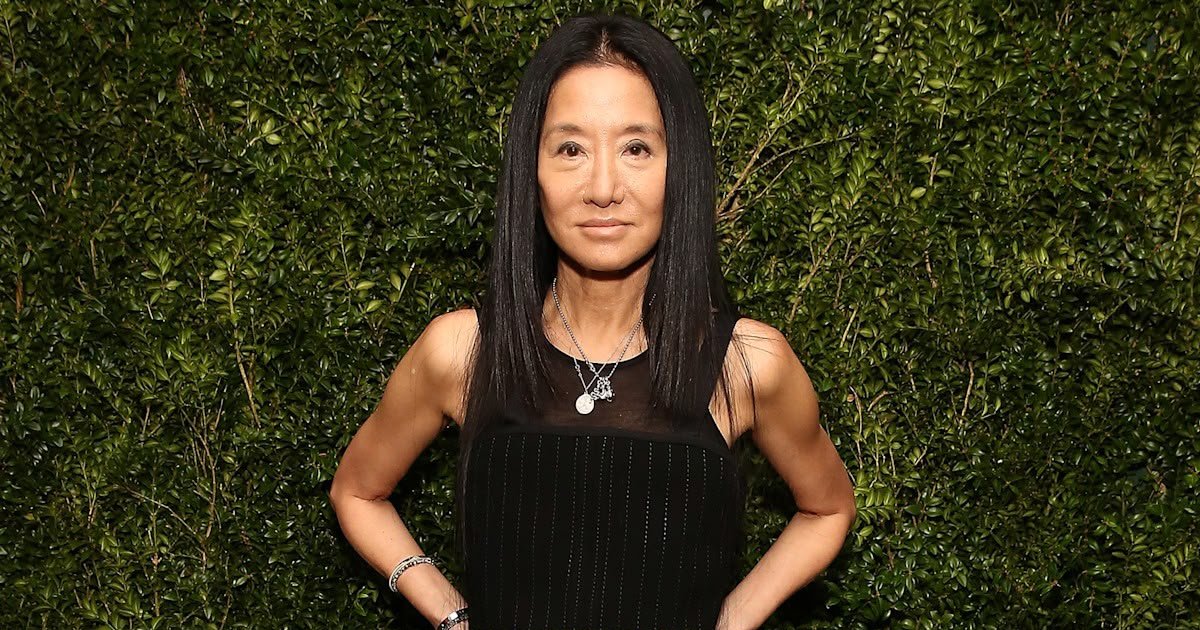
Few names are as closely associated with luxury bridal fashion as Vera Wang. Today, her wedding gowns are worn by celebrities, royalty, athletes, and brides around the world. Yet Wang’s remarkable career did not begin in fashion design at all. Her path included competitive figure skating, journalism, and retail before she eventually redefined what a wedding dress could look like.
Born in New York City in 1949 to Chinese immigrant parents, Vera Wang grew up in a household that valued discipline, education, and ambition. As a child, she trained intensely as a competitive figure skater, dreaming of representing the United States at the Olympics. Although she narrowly missed qualifying for the 1968 Winter Games, the experience taught her resilience and an eye for elegance that would later influence her designs.
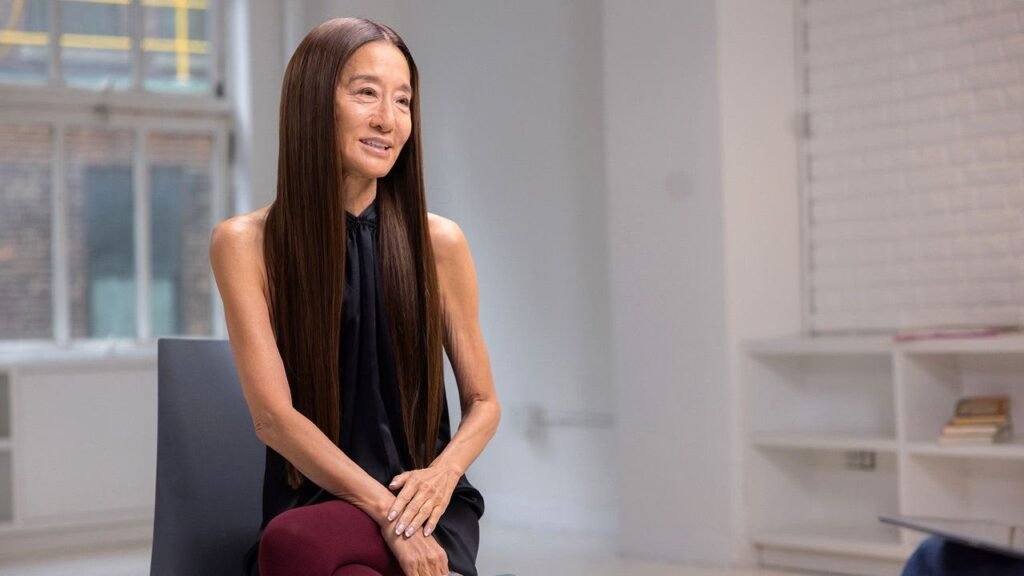
After graduating from Sarah Lawrence College with a degree in art history, Wang entered the fashion industry through journalism rather than design. At just 23 years old, she became one of the youngest editors ever hired by Vogue, where she spent nearly two decades shaping fashion stories, identifying trends, and building relationships across the luxury industry. The role gave her a deep understanding of style, craftsmanship, and consumer tastes long before she ever sketched her own collection.
In 1987, Wang left Vogue to join Ralph Lauren as Design Director for accessories. The position offered valuable experience working inside one of America’s most respected fashion houses. But the defining moment of her career arrived through an unexpectedly personal frustration. When Vera Wang became engaged in her late thirties, she searched extensively for the perfect wedding dress. Despite visiting numerous boutiques, she struggled to find a gown that reflected her personal style. Bridal fashion at the time remained dominated by traditional silhouettes, elaborate lace, and predictable designs. Wang believed modern brides deserved more sophisticated options that balanced timeless elegance with contemporary fashion.Rather than settle, she decided to create her own dress.
In 1990, Vera Wang opened her first bridal boutique at the iconic Carlyle Hotel in New York City. Her designs immediately stood apart. Clean architectural lines, luxurious fabrics, impeccable tailoring, dramatic silhouettes, and couture-level craftsmanship elevated bridal
fashion into high fashion. Wedding gowns were no longer simply ceremonial garments. They became personal expressions of individuality.
Celebrity weddings quickly amplified her reputation. Over the years, brides including Victoria Beckham, Mariah Carey, Alicia Keys, Kim Kardashian, Ariana Grande, Chelsea Clinton, and countless others chose Vera Wang creations. Each dress reflected the wearer’s personality rather than following rigid bridal conventions. Her influence extended far beyond celebrity culture.
Wang helped normalize fashion-forward bridal trends, from minimalist satin gowns and dramatic ball skirts to unexpected colors, asymmetrical cuts, and bold contemporary styling. Designers across the industry began embracing innovation rather than relying solely on tradition.
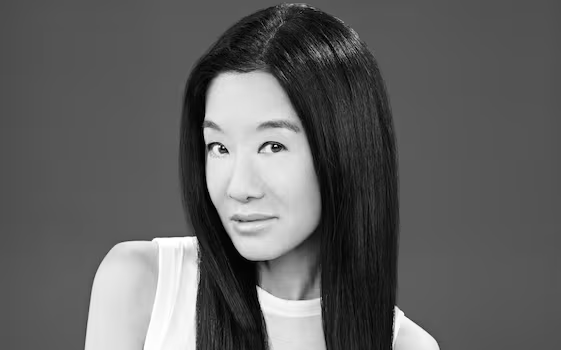
Recognizing the strength of her brand, Wang gradually expanded beyond bridal couture. Her label introduced ready-to-wear collections, fragrances, jewelry, home décor, eyewear, and lifestyle products, making her name synonymous with modern luxury. At the same time, she remained deeply connected to the bridal world that launched her career. Throughout her journey, Wang has also become known for her remarkable work ethic. She has frequently spoken about reinvention, emphasizing that careers rarely follow a straight path. Her transition from athlete to editor, executive, and globally celebrated designer demonstrates that success often comes from embracing unexpected opportunities rather than rigidly following a single plan.
Beyond fashion, Vera Wang has challenged assumptions about age and creativity. Well into her seventies, she continues designing collections, attending fashion events, and inspiring millions through her unmistakable personal style. Her career serves as a reminder that reinvention has no expiration date. Today, Vera Wang’s influence extends far beyond the wedding aisle. She didn’t simply design beautiful gowns; she fundamentally changed the way the world thinks about bridal fashion. Before Wang entered the industry, wedding dresses were often viewed as traditional garments with little room for personal expression. She elevated them into couture creations that celebrated individuality, craftsmanship, and modern elegance. Her designs encouraged brides to embrace their own style instead of conforming to convention, inspiring generations of women to see their wedding dress as an extension of their personality rather than just a ceremonial outfit.
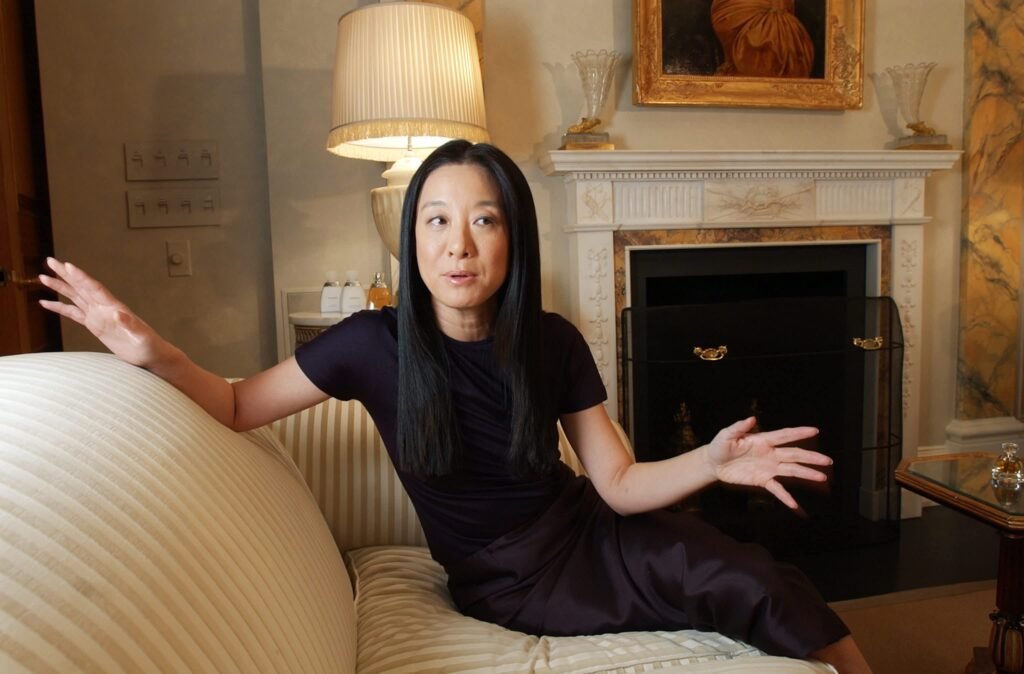
Over the decades, Wang has built a global fashion empire that spans ready-to-wear collections, fragrances, jewelry, home décor, and lifestyle products, while remaining the undisputed queen of bridal couture. Her journey also stands as a powerful reminder that success doesn’t always follow a straight path. A former figure skater who became a fashion editor, retail executive, and ultimately one of the most celebrated designers in the world, Wang has continually reinvented herself with determination and creativity.
Today, her name is synonymous with timeless luxury and innovation. The woman who once struggled to find a wedding dress that reflected her own vision ultimately transformed an entire industry, proving that the most enduring ideas often begin with solving a deeply personal problem. More than three decades after launching her label, Vera Wang remains one of fashion’s most influential trailblazers, inspiring not only brides but also entrepreneurs, designers, and dreamers around the world to challenge convention and create something entirely their own.
