


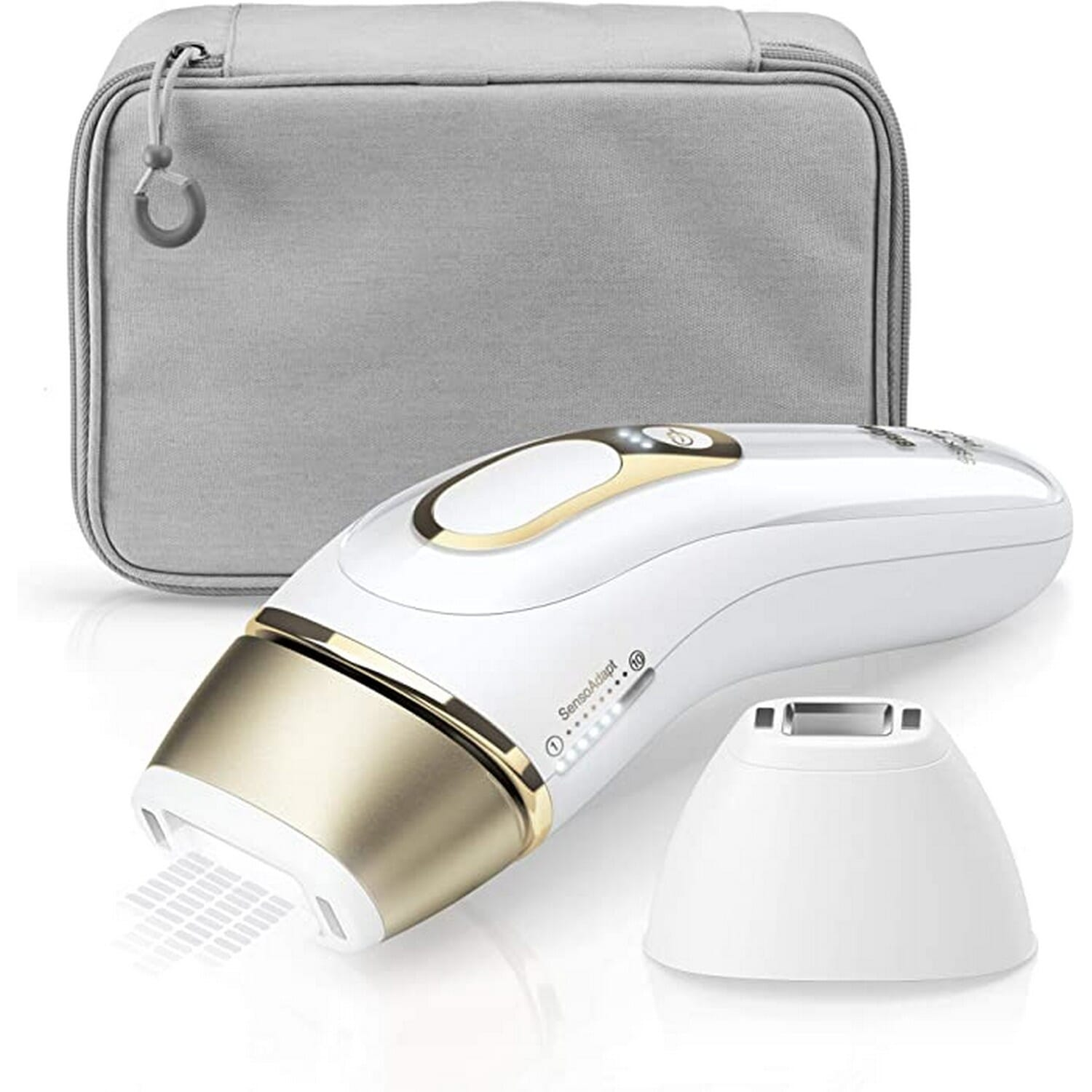
At-home laser hair removal has moved from fringe beauty tech to dermatologist-approved staple. While professional treatments remain the gold standard, many dermatologists and licensed estheticians now agree that today’s at-home devices—most of which use IPL (Intense Pulsed Light)—can deliver real, long-term hair reduction when used consistently. The key, experts say, is choosing the right tool and understanding its limits.
Unlike in-office lasers, at-home devices are designed for safety first. They emit lower energy levels, rely on multiple sessions, and often include skin-tone sensors to prevent misuse. “Think of these devices as marathon tools, not sprint solutions,” estheticians often note. Over time, they weaken the hair follicle, leading to slower, finer regrowth.
The Devices Professionals Trust
Among dermatologists, Braun’s Silk Expert Pro line is frequently cited as one of the most reliable options on the market. Its standout feature is an intelligent skin-tone sensor that automatically adjusts intensity, reducing the risk of burns while maintaining effectiveness. Pros like it because it removes user guesswork—one of the biggest causes of at-home treatment errors.
Another device earning strong professional approval is from Ulike. Estheticians often point to its built-in cooling technology, which makes treatments significantly more comfortable, especially on sensitive areas like the bikini line or underarms. Comfort matters more than people realize: if a device hurts, users stop using it—and consistency is everything.
For those looking for a more clinic-adjacent experience, CurrentBody’s laser device is often recommended. Unlike most IPL tools, it uses diode laser technology, closer to what’s used professionally. Dermatologists tend to recommend it to experienced users who want stronger results and are diligent about following instructions.
What Pros Want You to Know Before Buying
Dermatologists emphasize that hair color and skin tone matter. IPL works best on darker hair because the light targets pigment. Blonde, gray, or red hair is harder to treat, and very deep skin tones require devices specifically designed with advanced sensors. No device is truly universal, despite marketing claims.
Another critical factor is maintenance. Professionals stress that even after initial results, touch-up sessions are necessary. Hair grows in cycles, and dormant follicles can reactivate over time. At-home devices excel at maintenance, which is why many dermatologists recommend them even to patients who’ve had in-office laser treatments.
Are They Worth It?
From a professional standpoint, the value proposition is strong. One quality at-home device often costs less than two or three clinic sessions and can be used indefinitely. Estheticians also like that clients gain autonomy—treating on their own schedule without sacrificing progress.
The consensus is clear: at-home laser hair removal devices won’t replace professional lasers, but the best ones don’t need to. When chosen thoughtfully and used consistently, they earn a permanent place in a dermatologist-approved routine.
