











Have you been trying to get back to dating, and it seems like everyone has lost interest? Does it feel like people in general seem like they are lost in their own worlds? Turn on the news, and it is filled with folks shouting at each other, and social media overwhelms you with content. Is 2026 to blame? Increasingly, people have been in their own silos and have been attempting to compartmentalize from their lives and the very happening times around us.
It seems like the bandwidth of the world to take on the emotional depth of anyone is running out. Emotional unavailability is on the rise, and no one seems to be able to put their finger on the problem. But that’s not all. According to the New York Post, singles around the world have been so burnt out by ghosting, mixed signals and endless situationships that are calling it quits on dating. Yes, they are officially no longer holding out for a fairytale ending that never texts back.
Meanwhile, according to research done by AARP’s Lona Choi-Allum and Gerard ‘Chuck’ Rainville, loneliness among adults is rising at an alarming rate. In fact, 40% of U.S. adults reported being lonely in 2025 and frankly, this has only increased further, in 2026. But, what exactly is happening? Why don’t we look into the reason behind this major phenomenon?

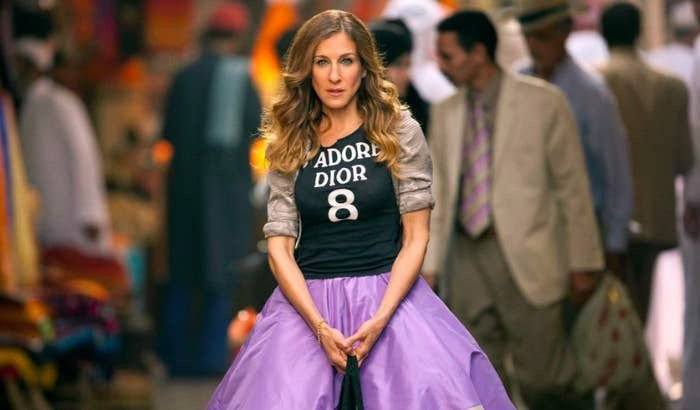
8 Reasons Why Everyone Feels Emotionally Unavailable Right Now
1. Emotional burnout: A new phenomenon:
Both work and personal life have in recent times, taken a hit since the early COVID times. We have been scrolling more since the time we were forced to stay in the four walls of our homes, managing work stress, going through work from home, and we have steadily developed social fatigue.
Thanks for all of this, we have literally run out of the ability to hold, process, and appreciate the turmoil and deep emotions of another, and it is a sign of psychological burnout. This burnout seems to actually run very deep.
2. Overexposure to options:
The access to dating apps has seen a drastic rise in options for those of us who want to go out there and meet people, but did not have enough avenues until then. However, people getting into the dating market for both short- and long-term partners have led to us getting used to swiping. There is always a thought in hindsight that ‘there may be someone better out there for me’.
In recent years, this has reinforced a false sense that people, partners, and superficial acquaintances are replaceable. If you or someone you know has unknowingly gotten into this vicious cycle, it can significantly contribute to a lack of deep emotional and psychological connections, leading to unavailability.


3. Fear disguised as independence:
We all have heard some of our friends consistently saying ‘Nah, relationships aren’t for me.” While this is a very valid choice, sometimes this may be disguised as a way of being averse to emotional vulnerability. Hyperindependence has been established as a trauma-based coping mechanism.
While emotional healing does take time and needs introspection, this doesn’t necessarily mean you have to close the doors on people who offer you support. Some erect emotional walls, causing isolation and conditional involvement.
4. Past relationship residue:
Relationships of the past, at times, leave bitter experiences. This can make us experience anything from a profound sense of loss to feeling like the past connection was toxic.
When such a magnitude of grief stays unprocessed, it inadvertently bleeds into daily life and future connections- both romantic and friendly. This also may cause past trust issues to be carried forward and colour the glasses with old stains.
5. Low effort communication habits:
Low-effort communication is one of the clearest reasons people feel emotionally unavailable right now. Conversations have become stripped down to the bare minimum, dry texts, one-word replies, and long gaps between messages that leave people guessing where they stand. While it’s often brushed off as being busy or protecting one’s time, it slowly erodes emotional connection.
Ghosting has also made things worse, normalising the idea that it’s easier to disappear than to communicate honestly. Instead of having uncomfortable but necessary conversations, many people choose silence or avoidance, leaving others without closure. The result is a dating and communication culture where everyone is technically connected, but very few feel truly seen, heard, or emotionally secure.


6. Rising hyper-individualism:
Focusing on self-growth is a positive experience that shapes and encourages self-assured individuality. This succeeds in creating a strong and reinforced image of our values and boundaries. While this successfully helps in cementing the character of a person, hyper-individualism has been on the rise.
This is where the person is so focused on their own autonomy, self-reliance, and fulfillment of their desires that it often comes at the expense of the community, collective responsibility, and social connection. Such folks often perceive relationships and connections as an option to have rather than as essential in maintaining meaningful bonds.
7. Situationship fatigue:
Dating in the 21st century has become an obstacle race that requires a thesaurus to understand what stage, phase, and inclination you and your partner may share. Exploring the other to assess if they are interested in a meaningful, intentional commitment with overlapping values and a shared dream to follow a certain path of growth as a duo involves a few more obstacles to jump through.
It is rare in today’s times for people to get into such commitments, and this has created fatigue in the general dating pool. The confusion of unclear dynamics in people in the early stages of a relationship is very prevalent. This has been a prime cause for social detachment, where, while people crave deep connection, they begin to resist commitment, and while they don’t enjoy the loneliness, they prefer to avoid uncomfortable co-existence.
8. Global scenario:
We have been bestowed upon the world where Murphy’s law seems to have prevailed, and everything that could have gone wrong, has gone wrong. We are watching global geopolitics turn into a multi-favoured hotpot, with wars and conflicts breaking out in multiple regions of the world. Adulting has gotten harder. Uncertainty about the future has become such a new normal that it has slowly shaken our threshold of calm, predictable, and boring daily updates on the news.
The last decade has also seen more people become aware of mental health challenges and have begun seeking assistance. Social withdrawal in such an environment is common, as it helps reset your priorities and draw focus on your own life and things in your control.
At the end of the day, emotional availability hasn’t disappeared, it’s just become more selective. People are opening up, just not as easily or as often as before. Millennials and Gen Z are more self-aware now, more protective of their energy, and more intentional about where they invest emotionally. So, if it feels like everyone around you, friends, colleagues, dates, is unavailable, it doesn’t mean something is wrong with you or that connection is impossible. It just means you may be in a phase where people are still figuring themselves out.
Give it time. Focus on your own growth, learn to compartmentalise what isn’t yours to carry, and don’t shrink your emotional depth to match what’s lacking around you. The truth is, there are people out there who crave the same kind of honesty, effort, and emotional presence that you do. And when you find them, it won’t feel like chasing or guessing, it will feel like being met halfway, naturally and fully.
FAQs:
What are the signs of emotionally unavailable people?
A. There are some very common signs that emotionally unavailable people tend to exhibit. These include avoiding conversations, inconsistent actions, avoiding conflict, deflection, and a fear of commitment.
What kind of trauma causes emotional unavailability?
A. Many types of trauma can lead to emotional unavailability. However, experiences like neglect, abandonment, being ignored, betrayal, and heartbreak can cause significant emotional repercussions.
How do emotionally unavailable people show love?
A. Emotionally unavailable people usually have a very hard time showing love or even having conversations about it. Unfortunately, their love languages are often limited. So, they tend to show love by being there for you, through little actions, which are meant to make your life easier, and, of course, slowly but steadily, trying to open up to you.


