


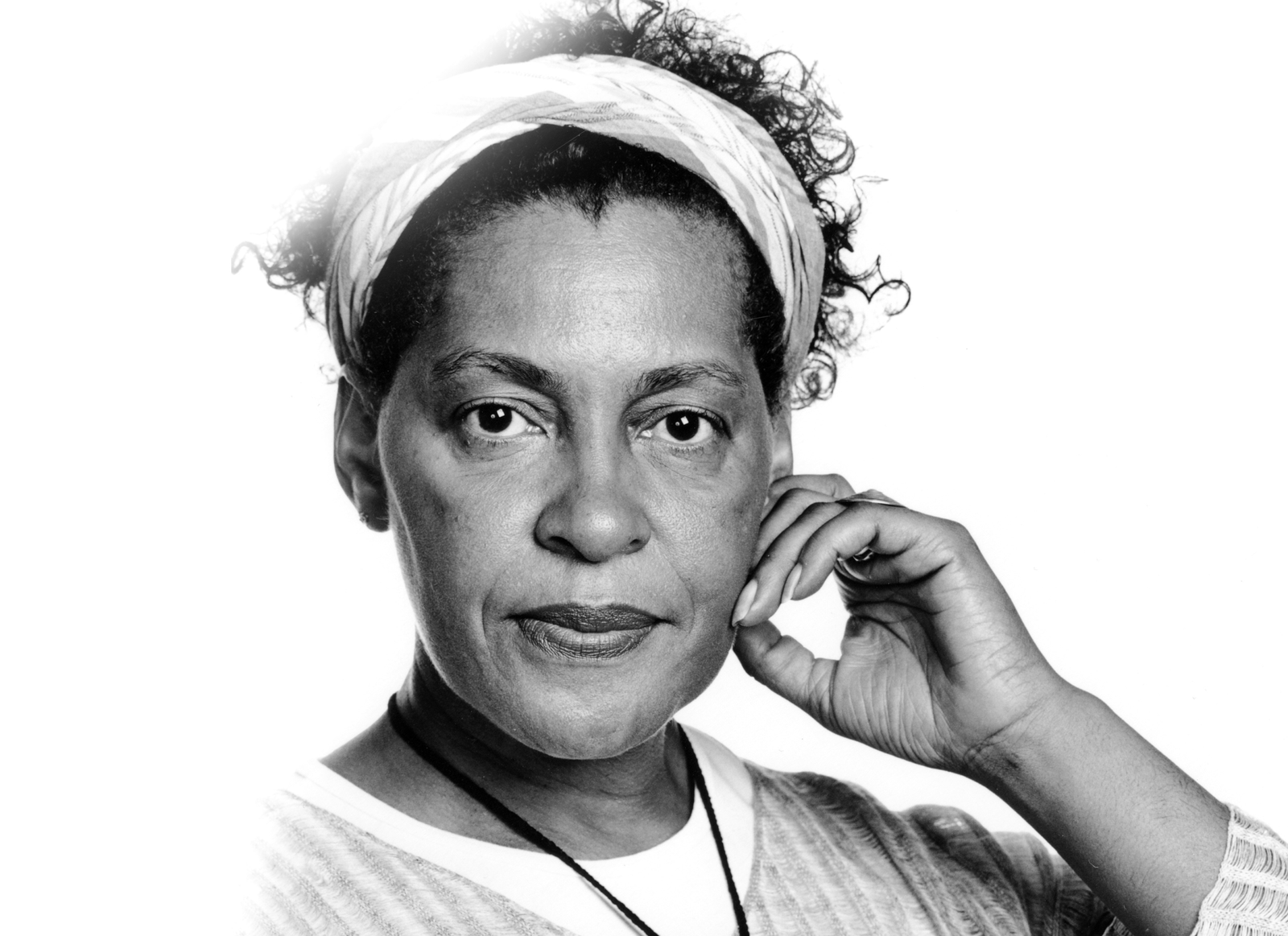
Carrie Mae Weems is one of the most vital and intellectually rigorous artists of our time. Across photography, video, text, and installation, her work interrogates how memory is constructed, erased, and contested—particularly within histories shaped by race, power, and exclusion. For Weems, remembering is not passive reflection; it is active labor. It is political. And it is necessary.
At the core of Weems’s practice is a deep engagement with collective and personal memory. She challenges the idea that history is neutral or complete, exposing how dominant narratives are built through omission as much as inclusion. In doing so, her work asks a central question: who gets remembered, and who is deliberately forgotten? This inquiry becomes especially urgent in societies fractured by racial and social division, where memory itself becomes a site of struggle.
Weems’s work often situates the Black body—particularly the Black female body—within spaces historically denied to it: museums, monuments, domestic interiors, and civic architecture. By placing herself or her subjects within these contexts, she reclaims visual authority and disrupts inherited hierarchies. Memory, in Weems’s hands, is not nostalgia; it is confrontation. Her images insist that the past is not behind us—it is embedded in the present.
Division, both historical and contemporary, is another persistent theme. Weems examines how systems of segregation, surveillance, and structural inequality fracture communities and distort shared memory. Her work reveals how division is maintained not only through laws and policies, but through images, symbols, and cultural storytelling. By reworking archival material and staging deliberate visual interventions, she exposes the mechanics of exclusion that continue to shape public consciousness.
Crucially, Weems does not offer easy reconciliation. The work of remembering, as she presents it, is uncomfortable and unresolved. It requires sitting with contradiction, grief, and accountability. Her practice resists the impulse to sanitize history for the sake of unity. Instead, she argues—implicitly and explicitly—that true reckoning demands clarity before healing.
Text plays a significant role in Weems’s visual language. Her use of direct, declarative statements alongside images guides the viewer without diminishing ambiguity. These texts function as both witness and warning, reminding audiences that interpretation itself is shaped by power. Memory is not just what we recall; it is how we are taught to see.
Importantly, Weems positions remembering as a collective responsibility. Her work calls on institutions, viewers, and nations to examine their role in sustaining selective memory. Forgetting, she suggests, is not accidental—it is curated. To remember fully is to resist erasure and challenge comfort.
Carrie Mae Weems’s work endures because it refuses closure. It demands engagement, return, and reflection. In an era marked by polarization and historical amnesia, her practice offers something essential: a visual framework for doing the hard work of remembering—honestly, critically, and together.
