


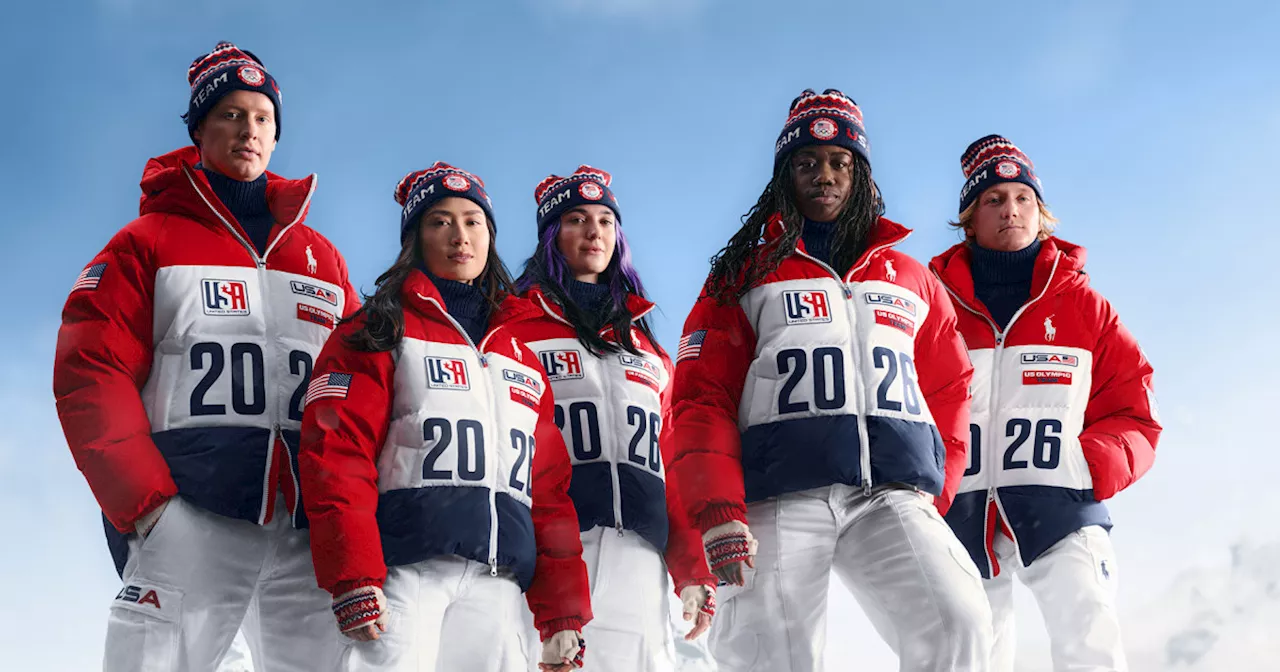
The 2026 Winter Games will showcase elite athleticism, national pride, and years of disciplined preparation. But among Team USA’s roster, a powerful narrative is emerging that transcends podium finishes and medal counts: motherhood and elite sport are no longer mutually exclusive. A growing number of American athletes heading to the 2026 Winter Games are mothers — women redefining what high performance looks like at the highest level of competition.
For decades, female athletes often faced an unspoken crossroads: pursue a family or pursue a career. The demands of Olympic preparation — relentless travel, intense physical strain, and the mental pressure of world-class competition — were widely seen as incompatible with pregnancy and parenting. But today’s generation of athletes is dismantling that narrative.
These moms are not simply returning to competition after childbirth; they are thriving in it.
Redefining Strength Beyond Sport
Motherhood introduces physical transformation, emotional recalibration, and a profound shift in identity. For elite athletes, the postpartum journey demands both patience and strategic rebuilding. Recovery timelines vary. Training regimens must be recalibrated. Sleep becomes a luxury rather than a guarantee.
Yet many athletes report that becoming mothers has sharpened their competitive focus. The stakes feel different. Perspective deepens. Pressure transforms into purpose.
In sports like snowboarding, hockey, bobsled, skiing, and speed skating — where milliseconds determine podium outcomes — these women are proving that resilience forged through motherhood can translate into competitive advantage.
Building Support Systems That Make It Possible
Behind every Olympic mom is a critical support structure. Partners, coaches, trainers, medical teams, childcare providers, and national federations play an essential role in making dual commitments possible. Increasingly, sports organizations are adapting to support athlete-parents through maternity policies, flexible travel accommodations, and childcare access at training camps.
The 2026 Games reflect a broader cultural shift in sport governance. Motherhood is no longer viewed as a career interruption — it is being integrated into athlete development planning.
The conversation is evolving from “Can she return?” to “How do we optimize her comeback?”
The Mental Edge
Athletes often describe motherhood as a recalibration of fear. High-speed descents, aggressive contact, or split-second risk decisions take on new meaning when children are watching. But instead of retreating, many athletes channel that responsibility into sharper mental discipline.
Motherhood introduces a unique duality: vulnerability and strength coexist. That balance has become a defining feature of this Olympic cycle.
When these women line up at the start gates in 2026, they carry more than national expectations — they carry generational representation. Their presence signals to young girls that elite sport does not require sacrificing personal aspirations.
Visibility Matters
Representation on the Olympic stage has ripple effects far beyond competition. Seeing mothers compete in winter sports challenges outdated norms about physical capability and longevity. It reshapes sponsorship narratives. It influences policy. It changes how sports media frames female athletes — not as anomalies, but as multidimensional professionals.
The 2026 Winter Games will spotlight skill, speed, and strength. But woven into that spotlight is a deeper cultural moment: women rewriting timelines.
Beyond Medals
Whether they stand atop the podium or not, these athletes are already reshaping the legacy of Team USA. Their participation expands the definition of what it means to be an Olympian. It demonstrates that ambition and caregiving can coexist at the highest level of global sport.
The Winter Games have always celebrated endurance. In 2026, endurance takes on new meaning — not just in physical performance, but in life.
Motherhood does not mark the end of elite competition. For these athletes, it has become the catalyst for a new chapter — one defined not by limitation, but by evolution.
