


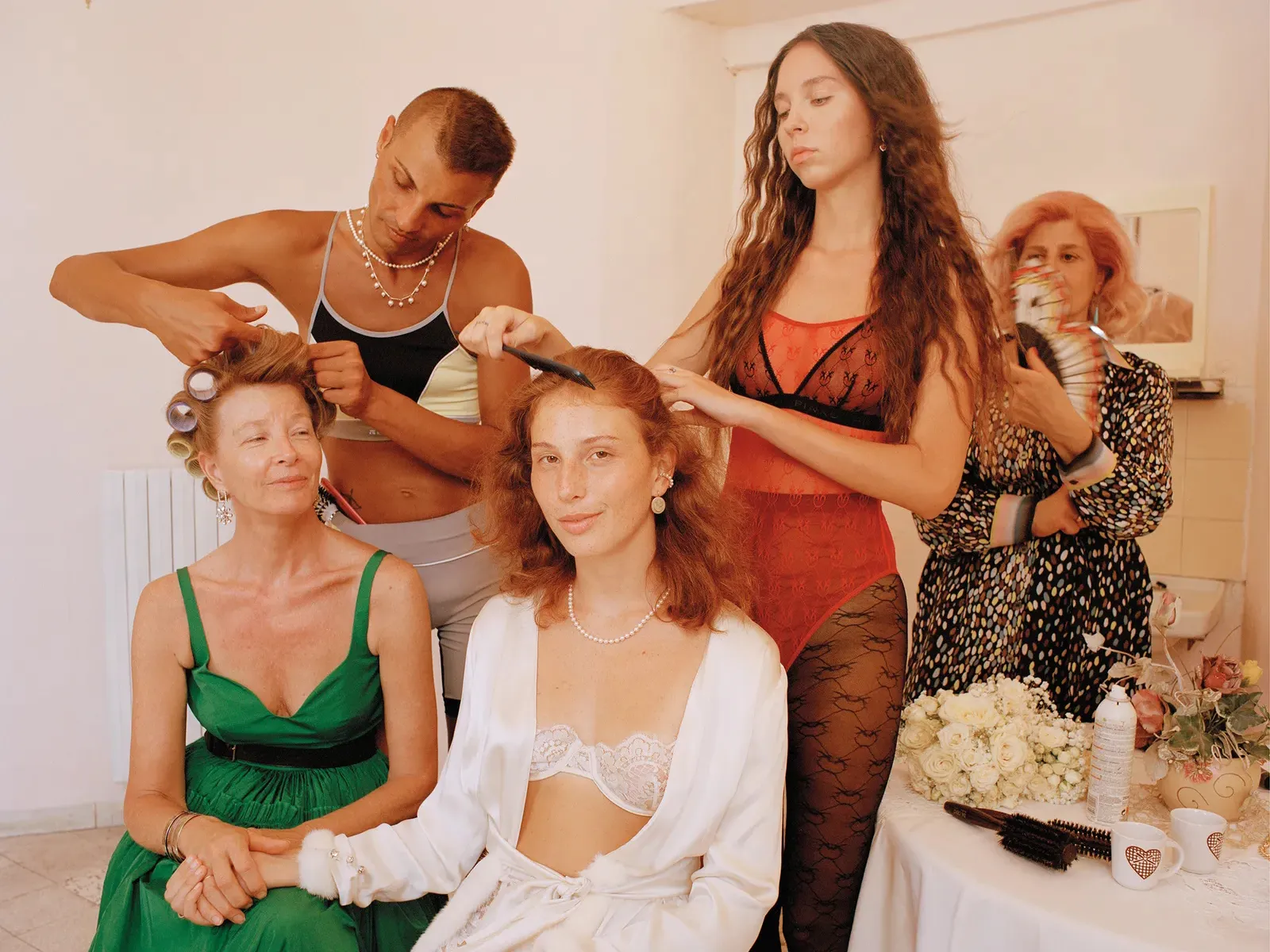
Olive oil has been an important part of Mediterranean life for thousands of years. In Southern Italy, it is more than a cooking ingredient. It represents family traditions, natural beauty, health, and a deep connection to the land. Among the many cultural traditions associated with Italian weddings, the use of olive oil in bridal beauty practices offers an interesting look at how simple natural ingredients can carry meaningful cultural value.
For generations, olive oil has been used in Italian households as a traditional skincare and haircare ingredient. Its connection to weddings reflects a wider Mediterranean appreciation for natural beauty, family wisdom, and the importance of preparing for a new chapter in life.
But what makes olive oil special in Southern Italian bridal beauty traditions? The answer goes beyond its moisturizing properties.
1. Olive Oil: A Symbol of Southern Italian Heritage
Southern Italy has a long history of olive cultivation. Regions such as Puglia, Calabria, Sicily, and Campania are well known for their olive groves and olive oil production.
For many families, olive trees represent more than agriculture. They are connected to family history, generations of hard work, and the passing of traditions from parents to children.
Olive oil has traditionally been used in cooking, home remedies, skincare, and everyday household routines. In some families, older women shared beauty practices involving olive oil with younger generations.
This cultural connection helps explain why olive oil can hold special meaning in conversations about traditional bridal preparation. It represents a beauty philosophy based on simplicity, natural ingredients, and inherited knowledge.
2. Why Olive Oil Became Part of Traditional Bridal Beauty
Preparing for a wedding has always involved more than choosing a dress, arranging flowers, and planning a celebration. In many cultures, bridal preparation also includes personal beauty rituals.
In traditional Southern Italian households, natural ingredients were often preferred because they were affordable, accessible, and already familiar.
Olive oil was sometimes used as a natural moisturizer for dry skin, a treatment for rough hands, and a conditioning ingredient for hair.
For a bride, these simple practices could become part of the preparation for her wedding day. Soft hands, healthy-looking hair, and moisturized skin were considered important elements of looking and feeling beautiful.
However, it is important to understand that there is no single documented olive oil bridal ceremony followed throughout Southern Italy. Practices vary between villages, regions, and families. In many cases, olive oil beauty rituals are better understood as traditional household customs rather than formal wedding requirements.
3. The Natural Beauty Benefits of Olive Oil
One reason olive oil has remained popular in traditional beauty routines is its natural composition.
Extra virgin olive oil contains vitamin E, fatty acids, and antioxidant compounds. These components make it useful as an ingredient in certain skincare and haircare routines.
Here are some commonly discussed benefits:
Skin Moisturization: Olive oil contains fatty acids that help soften dry skin and reduce moisture loss. It can be used on selected areas of the body when the skin tolerates it well.
Soft Hands and Feet: Traditional beauty routines sometimes include applying a small amount of olive oil to dry hands, elbows, and feet.
Hair Conditioning: Olive oil can help make dry hair feel smoother and easier to manage. Some people use it as a pre-shampoo hair treatment.
Antioxidant Properties: Olive oil contains natural antioxidant compounds, including vitamin E and polyphenols, which help protect the oil itself and contribute to its nutritional value.
Although olive oil has several useful properties, it is not suitable for every skin type. People with acne-prone or sensitive skin may experience irritation or clogged pores. A patch test is always recommended before using it as a beauty treatment.
4. The Role of Mothers and Grandmothers in Bridal Beauty Traditions
One of the most meaningful aspects of traditional beauty rituals is the role played by older generations.
In Southern Italian families, mothers and grandmothers have traditionally passed down knowledge about food, household care, clothing, and personal beauty.
A simple olive oil treatment could become a moment of connection between generations. A grandmother might share a beauty tip with her granddaughter, explaining how women in the family cared for their skin and hair.
These moments can carry emotional importance, especially before a wedding.
A wedding is not only the beginning of a marriage. It is also a family event that brings together different generations. Traditional beauty practices can help brides feel connected to their roots while preparing for a new future.
The deeper meaning is therefore not always about the ingredient itself. It is also about the memories, relationships, and family knowledge associated with it.
5. Olive Oil and the Mediterranean Philosophy of Beauty
Southern Italian beauty traditions are closely connected to the Mediterranean lifestyle.
The Mediterranean approach to beauty often emphasizes natural ingredients, balanced living, healthy food, and simple daily routines.
Olive oil is an important part of this philosophy. It is widely used in Mediterranean cooking and is also appreciated in traditional personal care practices.
Unlike complicated modern beauty routines, traditional approaches often focus on using a few familiar ingredients consistently.
For brides, this philosophy can represent a different understanding of beauty. Instead of focusing only on makeup and expensive products, it highlights healthy-looking skin, personal confidence, and natural elegance.
Today, many modern beauty enthusiasts continue to explore Mediterranean-inspired skincare and haircare routines.
6. How Modern Brides Can Include Olive Oil in Their Beauty Routine
Modern brides interested in traditional Mediterranean beauty practices can explore olive oil as one part of their preparation routine.
Here are a few simple ideas:
- Body Moisturizing: Apply a small amount to dry areas of the body after bathing, if your skin tolerates it.
- Hair Treatment: Use olive oil as a pre-shampoo treatment for dry hair, then wash thoroughly.
- Hand Care: Massage a few drops into dry hands and cuticles.
- Foot Care: Apply a little oil to dry feet before wearing cotton socks overnight.
- Natural Beauty Inspiration: Choose a simple skincare routine that focuses on hydration and healthy skin rather than excessive products.
It is best to test olive oil on a small area first. Avoid applying it to irritated or broken skin, and consult a dermatologist if you have a skin condition.
Brides should also avoid introducing unfamiliar skincare treatments immediately before their wedding day.
7. Why This Traditional Ritual Still Matters Today
The popularity of natural beauty products has encouraged many people to rediscover traditional ingredients.
Olive oil is a perfect example of how an everyday household product can become part of a larger cultural story.
For Southern Italian families, its importance is connected to agriculture, food, family traditions, and generations of shared knowledge.
Although not every Italian bride follows an olive oil beauty ritual, the ingredient continues to represent the Mediterranean appreciation for natural resources and simple beauty practices.
Modern bridal beauty trends may change every year, but traditions that connect people to their families and cultural heritage can remain meaningful for generations.
Conclusion
The deeper meaning behind olive oil’s use in Southern Italian bridal beauty traditions goes beyond skincare. It reflects a connection to family heritage, Mediterranean culture, natural ingredients, and the wisdom passed down through generations.
From moisturizing dry skin to conditioning hair, olive oil has earned a place in traditional household beauty routines. For some brides, these practices also offer a meaningful way to connect with their cultural roots before beginning married life.
Ultimately, the beauty of this tradition lies not only in the olive oil itself but also in the memories, family connections, and cultural values it represents.
