


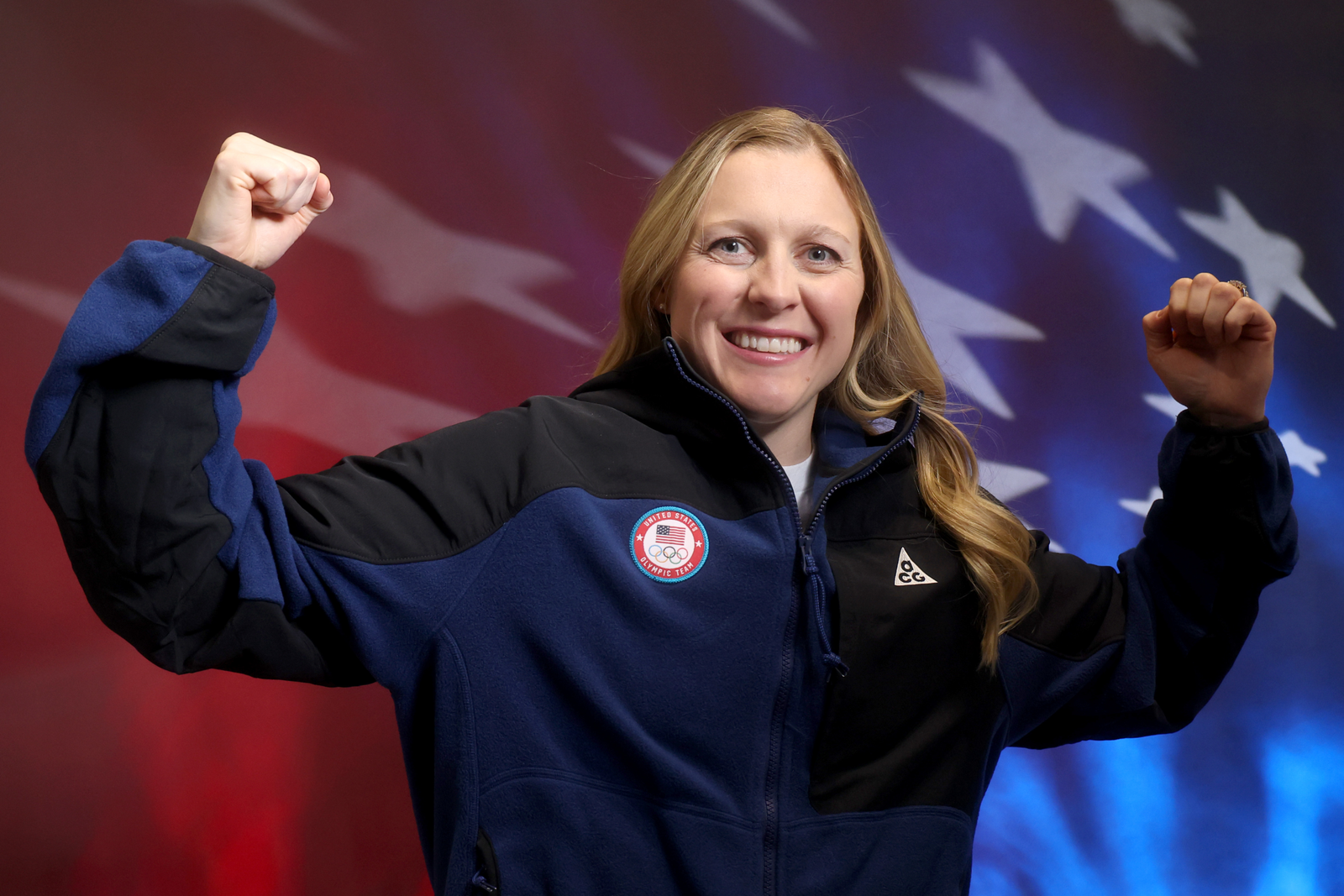
Team USA represents more than elite athletic performance—it embodies resilience, sacrifice, and national pride. Among its most powerful yet often underappreciated strengths is motherhood. Across disciplines and generations, mothers on Team USA have proven that motherhood is not a limitation in elite sport, but a multiplier of strength, focus, and purpose.
For decades, the narrative around women in sports implied a tradeoff: peak performance or motherhood. Team USA athletes have decisively dismantled that myth. Mothers competing at the highest level demonstrate that childbirth does not end an athletic career—it can redefine it. With renewed motivation, sharpened discipline, and deeper emotional resilience, many return stronger than ever.
Motherhood reshapes an athlete’s mindset. Time becomes sacred. Training is more intentional. Recovery is non-negotiable. For Team USA mothers, efficiency replaces excess, and purpose fuels performance. Competing is no longer just about medals—it’s about modeling courage, ambition, and perseverance for the next generation watching from the stands or at home.
Physically, the journey back to elite competition demands extraordinary commitment. Postpartum recovery, rebuilding strength, and regaining competitive rhythm require expert support and relentless work ethic. Team USA’s evolving infrastructure—improved maternity policies, access to medical care, and advocacy from athletes themselves—has made it increasingly possible for mothers to return without sacrificing excellence. These advances are not just wins for individuals, but for the future of sport.
Mentally, motherhood adds a unique competitive edge. The pressure of elite sport pales in comparison to the responsibility of raising a child. Many athlete-mothers speak about competing with greater calm and clarity, unshaken by external noise. Losses are processed faster, wins are appreciated more deeply, and perspective becomes a stabilizing force in high-stakes environments.
Beyond performance, the presence of mothers on Team USA carries cultural weight. It challenges outdated systems and forces institutions to evolve. Sponsorship structures, team policies, and public perception are shifting because these athletes refused to choose between family and ambition. Their visibility normalizes motherhood in high-performance spaces—sending a powerful message to young athletes worldwide.
Team USA’s mothers also strengthen team culture. They bring leadership, empathy, and emotional intelligence forged outside competition. Their influence extends beyond the field of play, shaping locker-room dynamics and mentoring younger teammates navigating pressure for the first time.
The power of motherhood within Team USA is not symbolic—it is operational. It produces medals, leadership, and legacy. These athletes compete not in spite of motherhood, but because of it. They prove that strength evolves, ambition expands, and excellence adapts.
In every race, routine, match, and moment of triumph, Team USA’s mothers remind the world that motherhood is not a pause in greatness. It is a force—unyielding, transformative, and unstoppable.
