

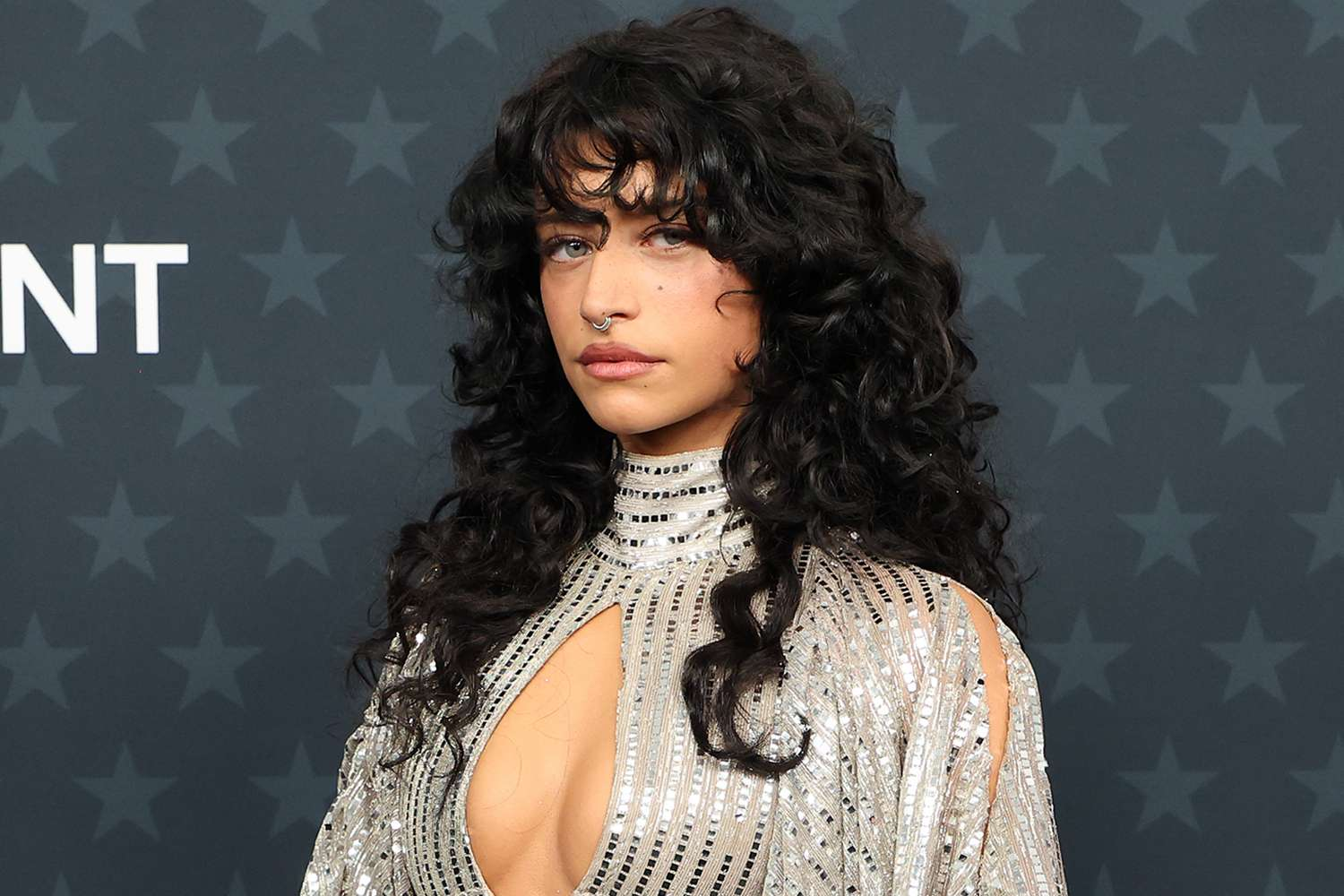
Odessa A’zion has become a fixation of internet culture—and not because of a dramatic role announcement or viral interview. Instead, it’s her hair: undone, irregular, unapologetically natural. In a digital ecosystem obsessed with polish and perfection, Odessa A’zion’s hair reads as a quiet rebellion, and the internet can’t look away.
At first glance, the fascination seems superficial. Her hair often appears deliberately messy—uneven layers, air-dried texture, visible flyaways. But that aesthetic disruption is exactly the point. In an era dominated by hyper-styled waves, extensions, and algorithm-approved beauty, A’zion’s look feels refreshingly unoptimized. It resists the visual language of “effortless perfection” that is, in reality, anything but effortless.
What the internet is responding to is authenticity—real or perceived. A’zion’s hair looks lived-in. It suggests movement, personality, and indifference to approval. On red carpets and in editorials, where control is the norm, her refusal to conform reads as confidence. The contrast is striking, and contrast drives virality.
There’s also a generational element at play. Younger audiences, particularly Gen Z, are increasingly skeptical of curated identity. They value individuality over aspiration and reject beauty standards that feel manufactured. Odessa A’zion’s hair aligns with that shift. It doesn’t ask to be admired; it exists on its own terms. That subtle defiance has become a cultural signal.
Social media amplifies this effect. Screenshots circulate. Tweets dissect whether the look is intentional or careless. TikToks frame her hair as “anti-beauty beauty.” The discourse feeds itself because the hair resists easy categorization. It’s not grunge revival, not classic Hollywood, not clean-girl minimalism. It sits outside trend taxonomy—and that makes it compelling.
Importantly, the attention also reflects broader conversations about women’s presentation in public life. A’zion’s hair challenges the expectation that women—especially young actresses—must always appear perfected to be taken seriously. Her look implies that talent, presence, and identity do not require aesthetic compliance.
In the end, the internet isn’t really talking about hair. It’s talking about permission—permission to show up unpolished, to reject constant self-surveillance, and to be visible without explanation. Odessa A’zion’s hair has become a symbol because it asks nothing and explains nothing. And in a culture addicted to performance, that refusal is powerful.
