







The drug reduces appetite, but what you do next determines your final results.
For millions of people who spent years fighting hunger, cravings, and what’s now commonly called “food noise,” GLP-1 medications have offered some breathing room. The biological and chemical reasons for hunger can be reduced, and the relentless mental chatter about food can become quieter. For the first time, real change feels possible for many people.
But here’s where the conversation gets complicated. That quieted appetite is not the final result; it’s an opportunity. Far too many people and healthcare systems have been confusing the two.

Less Food Doesn’t Mean Better Food
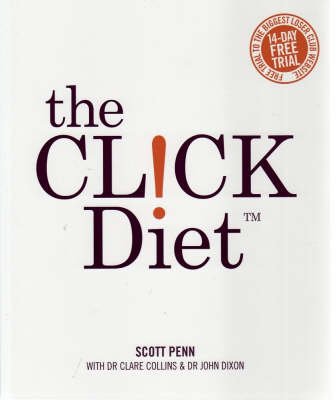
One of the most common misconceptions about GLP-1 weight loss is that if you’re eating less, that means you’re doing well. Scott Penn, the CEO of Digital Wellness and the author of The Click Diet, firmly pushes back on this assumption. When your appetite shrinks, your nutritional window shrinks with it. That means every meal means a lot more.
Protein, in particular, becomes critical. Without enough protein, the body can lose muscle mass alongside fat, and the hunger that returns after stopping medication can feel overwhelming. Nutrition quality isn’t something you worry about once you’ve lost the weight. It’s the foundation the whole process rests on.
This isn’t the opinion of just one person. Every clinical trial involving GLP-1 medications has paired the drug with a structured behavior change weight loss program. That combination of medication and support is the model that produces the most lasting results. The medication alone isn’t the complete solution.
Building Habits While the Window Is Open
Penn, who has spent more than three decades in sustainable weight management, from the early days of Weight Watchers through to building Digital Wellness, describes GLP-1s as “the opening move,” but not the whole game. His philosophy centers on the idea that habits built during treatment are what carry people through once treatment ends.
Movement is one of the most important habits. Building a daily exercise routine while appetite is reduced and motivation is still high creates a foundation that outlasts the prescription length. It doesn’t have to be intense, either. He prioritizes moving every day, even while traveling or when time is short. Consistency beats intensity.
Tracking is the other important component. Research into long-term weight maintenance consistently points to the same conclusion: people who keep the weight off over time pay attention to their food, habits, and exercise. The Digital Wellness platform is built around this principle, giving members a central habit tracking app for food logging and coaching that continues well beyond any prescription.
The Readiness Factor
Penn is candid that no medication can create readiness. His view, shaped by his personal journey with his weight since his teenage years, is that change only works when the individual is genuinely committed to it. “If you’re not ready to make a positive change and commit some effort, don’t waste money on medication or programs, because they won’t work,” he said.
That honest, grounding philosophy runs through everything the company does. GLP-1s are a genuine breakthrough, but breakthroughs only matter when you’re ready to act on them and when you have the right support to make the change stick.


