


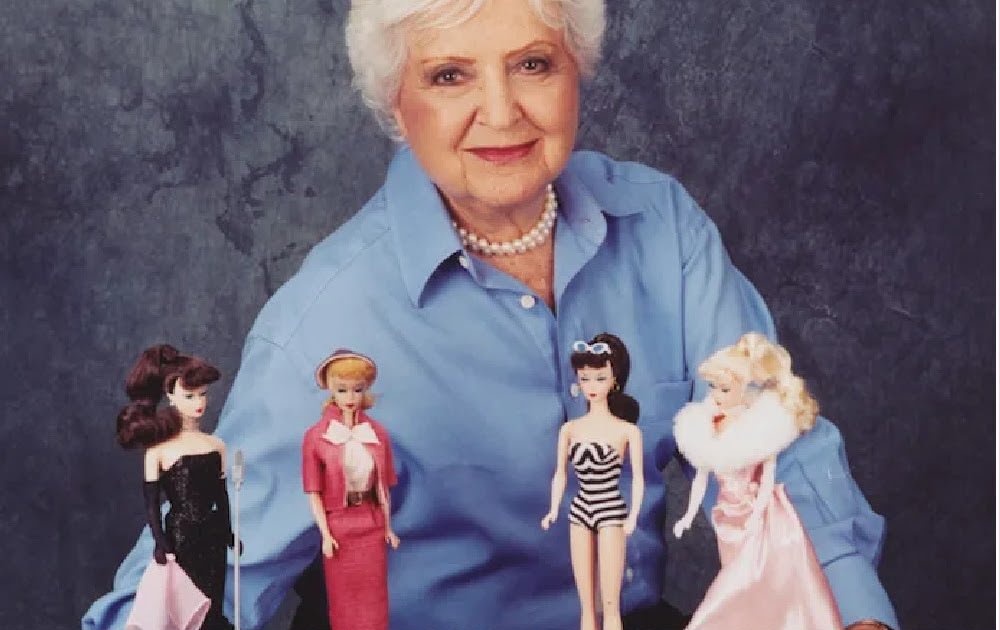
For more than six decades, Barbie has been one of the world’s most recognizable toys. She has inspired movies, fashion collections, careers, and countless childhood memories. Yet while Barbie became a household name, the woman who imagined her often remained in the background. Ruth Handler wasn’t just Barbie’s creator. She was an entrepreneur who challenged an industry that underestimated girls’ imaginations and forever changed what children’s toys could represent.
Born in 1916 in Denver, Colorado, Ruth Mosko Handler grew up in a family of Polish Jewish immigrants. She later moved to California with her husband, Elliot Handler, where the couple, along with Harold “Matt” Matson, founded Mattel in 1945. The company initially made picture frames before using leftover materials to produce dollhouse furniture. Those miniature pieces proved so successful that Mattel shifted its focus entirely to toys.
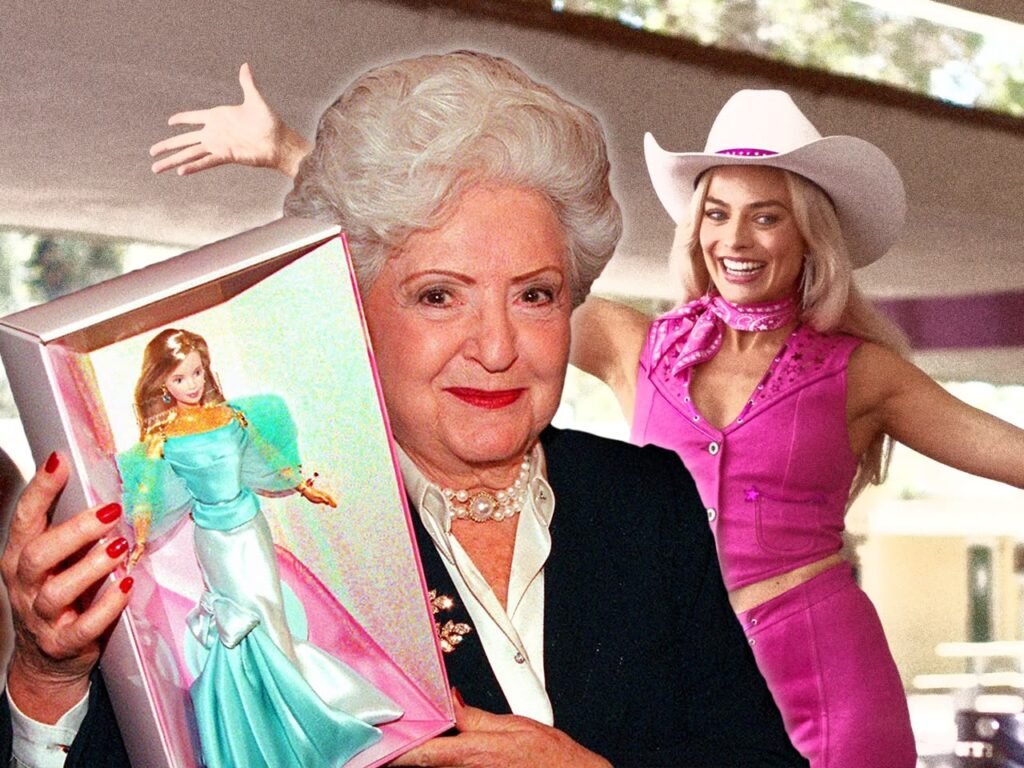
During the 1950s, most dolls encouraged girls to role-play as mothers, with baby dolls dominating toy shelves. Ruth noticed something different while watching her daughter Barbara play. Instead of pretending to care for babies, Barbara imagined her paper dolls as grown women with careers, friendships, ambitions, and glamorous lives. Ruth realized there was a gap in the market. Girls wanted dolls they could imagine becoming, not simply dolls they could mother.
The idea was met with skepticism. Retailers and even Mattel executives doubted parents would buy an adult-bodied doll for children. But Ruth trusted her instincts. During a trip to Europe, she came across the German fashion doll Bild Lilli, whose mature appearance reinforced her belief that children were ready for a doll representing adulthood rather than infancy.
Inspired by that concept, Mattel created something entirely new. In 1959, Barbie debuted at the American International Toy Fair in New York. Named after Ruth’s daughter, Barbara, the doll wore a black-and-white striped swimsuit, high heels, and a confident smile. While initial reactions were mixed, Ruth supported the launch with one of the first major television advertising campaigns aimed directly at children, helping Barbie become an instant success.
Barbie quickly grew into a cultural phenomenon. Unlike most dolls of the era, she represented possibility rather than caregiving. Over the decades, Barbie took on more than 250 careers, including astronaut, doctor, pilot, scientist, architect, entrepreneur, Olympic athlete, and even president. Though the doll has faced criticism over beauty standards, her ever-expanding list of professions carried an empowering message: girls could imagine themselves in virtually any role.
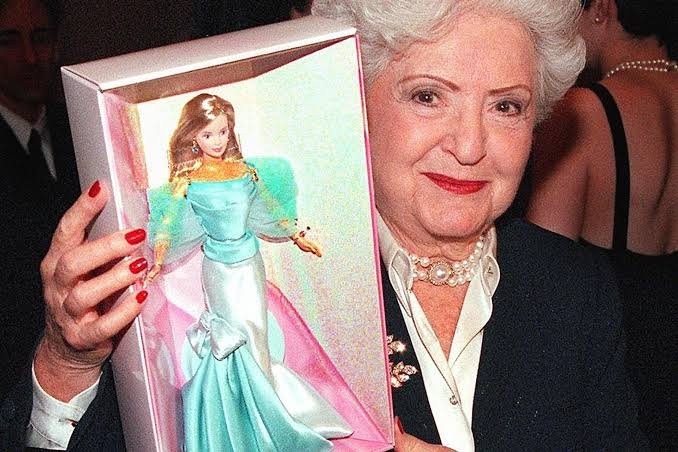
Ruth’s influence extended far beyond creating a single toy. She transformed the toy industry by recognizing children as active consumers with their own preferences. Her innovative approach to television advertising reshaped toy marketing, while Barbie’s endless wardrobe, accessories, dream houses, and vehicles pioneered a merchandising model that remains influential today. Her career, however, wasn’t without setbacks. In the 1970s, financial irregularities at Mattel led to investigations, and Ruth resigned from the company. Although the controversy became part of her story, it did not define her legacy. Instead, she turned her attention to solving another overlooked problem.
After undergoing a mastectomy following breast cancer, Ruth found that available prosthetic breast options were uncomfortable and unrealistic. Determined to improve them, she founded Nearly Me, a company that designed more natural-looking breast prostheses. Once again, she identified an unmet need and created a product that improved people’s lives. Today, Ruth Handler’s legacy reaches far beyond Barbie. She challenged long-held assumptions about what girls wanted from their toys and, in doing so, transformed childhood play. At a time when dolls encouraged girls to imagine caring for babies, Ruth introduced one that invited them to picture themselves as adults with limitless futures. Her greatest achievement wasn’t simply creating a fashion doll. It was encouraging generations of girls to dream bigger.
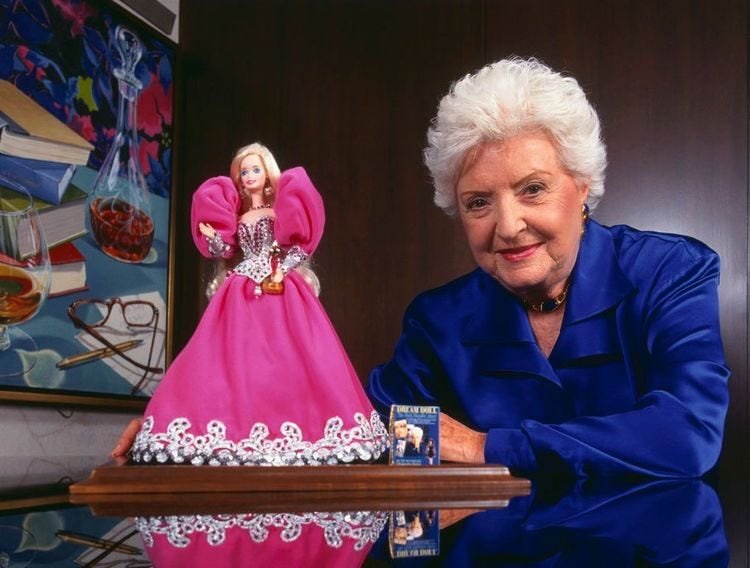
Barbie has continued evolving with society. What began as a single blonde fashion doll has grown into a diverse collection representing different body types, skin tones, hair textures, abilities, cultures, and professions. While the brand has adapted over the years, that evolution reflects Ruth’s original belief that Barbie should grow alongside the children who play with her and reflect a changing world.
Ruth’s remarkable story also found new life in the 2023 blockbuster Barbie. Although she passed away in 2002, the film honored her legacy by featuring her as a character portrayed by Rhea Perlman. In one of the movie’s most memorable scenes, Ruth reminds Barbie that being human is about embracing change, choice, and imperfection. It was a heartfelt tribute to the visionary whose simple observation of her daughter’s playtime sparked one of the most influential toys ever created.
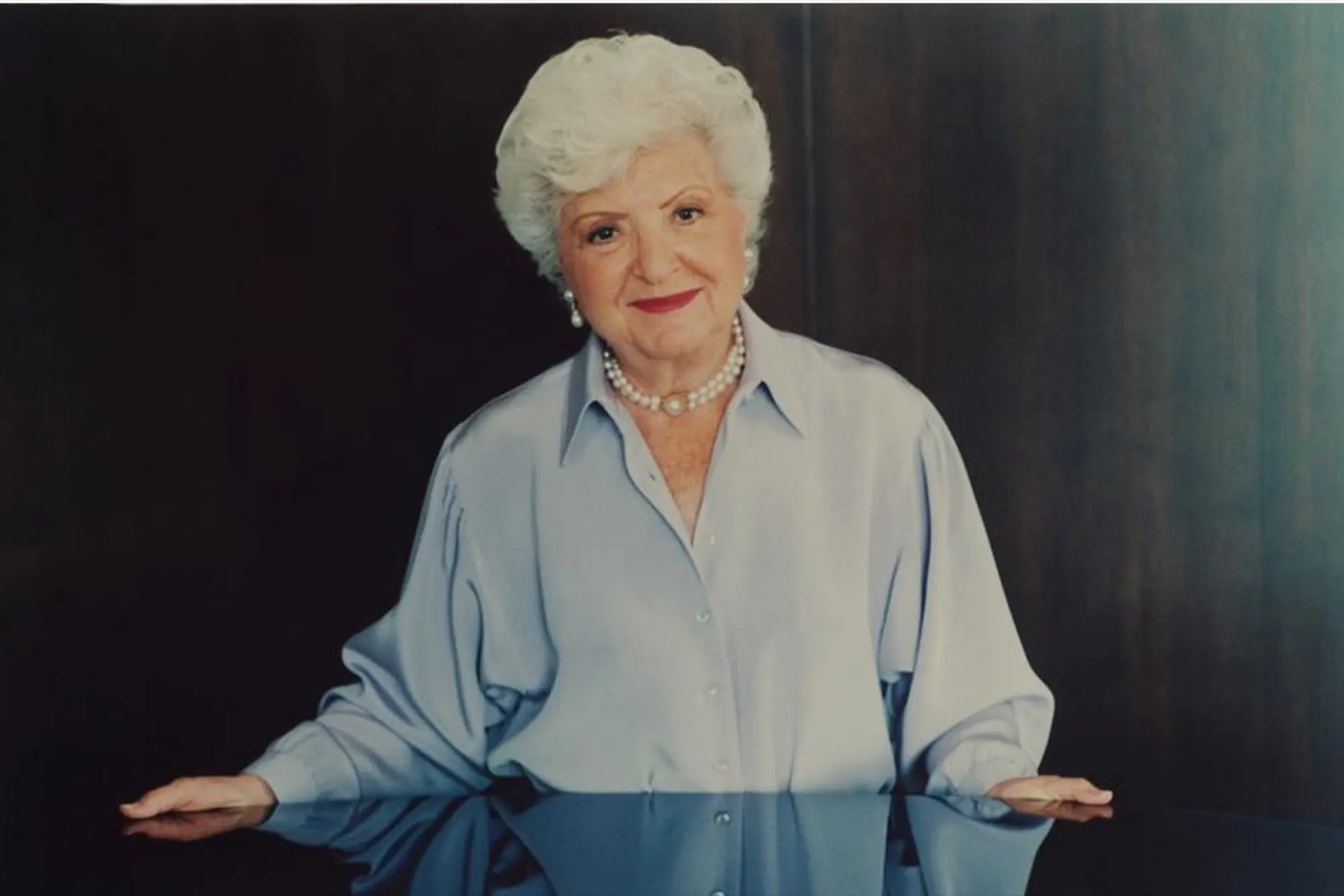
More than six decades after Barbie’s debut, Ruth Handler remains one of the twentieth century’s most influential entrepreneurs. By paying attention to how children actually played, she created a product that reshaped the toy industry and inspired generations to dream without limits. Her story is proof that the biggest ideas often begin with the smallest observations.
